
Bullying 101.
About one in five high school students reported being bullied on school property in the past year. Understanding what bullying is helps adults see it, and stop it.
What is bullying?
Bullying is unwanted, aggressive behavior toward another person that involves a real or perceived imbalance of power. It is usually repeated over time, or has the potential to be.
It can cause physical, psychological, social, or educational harm. The power imbalance might be physical size, popularity, wealth, or access to embarrassing information, and it can shift over time and between situations.
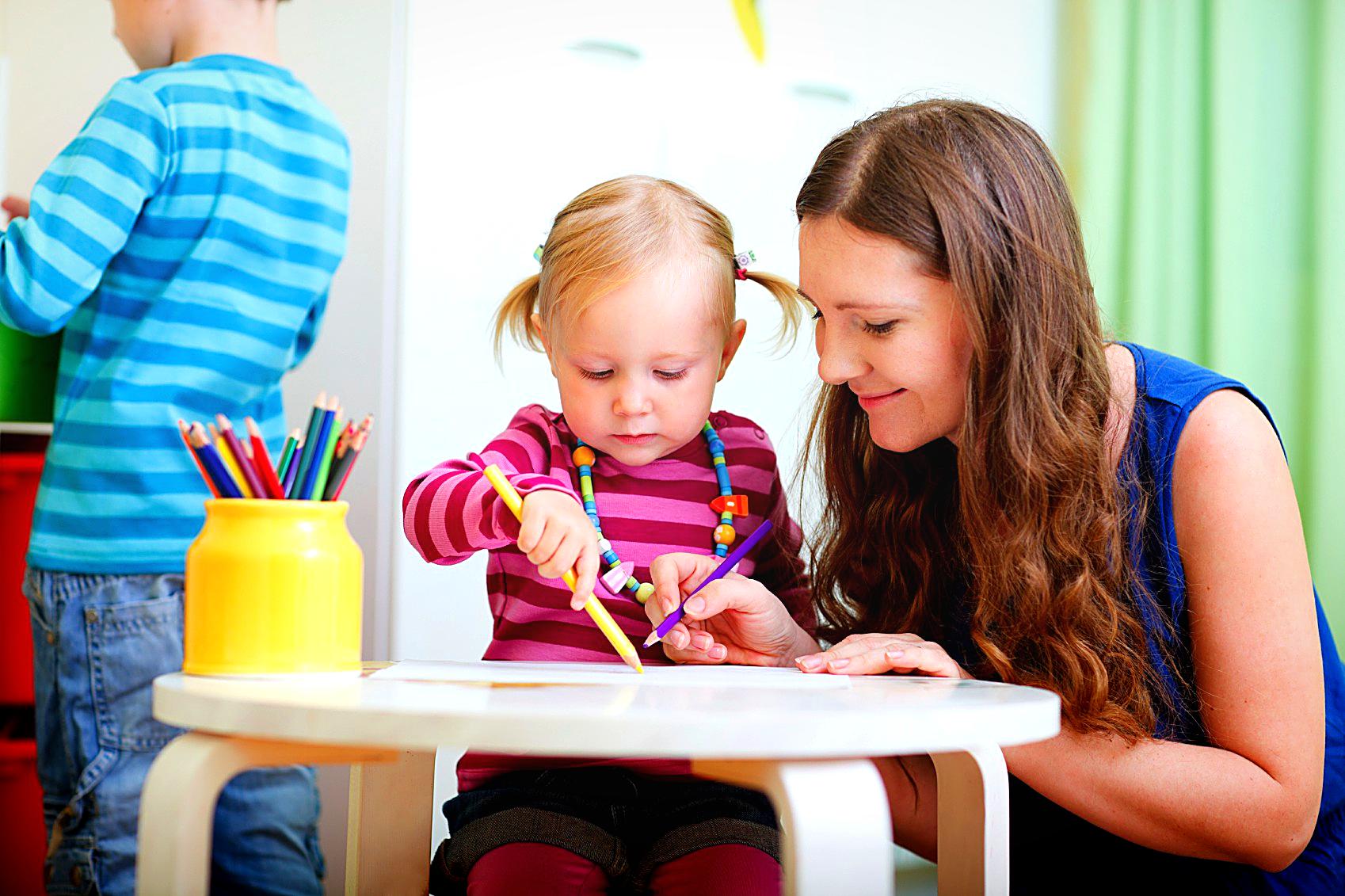 Photo. Children talking with a trusted adult, supplied and cleared by the client.
Four forms it takes.
Verbal.
Using words to hurt another person. Teasing, taunting, name calling, and threats.
Social.
Harming someone's reputation or relationships. Spreading rumors, embarrassment, and exclusion.
Physical.
Using the body to hurt a person or their belongings. Pushing, kicking, or destroying possessions.
Cyber.
Harassing or targeting someone using technology. Posting or sharing hurtful content online.
 Photo placeholder
Bullying is not the same as conflict.
Two children arguing over a ball is conflict. Both want something, both have roughly equal footing, and both are upset. Adults can help them work it out.
Bullying is different. One child holds power over another, whether through size, popularity, numbers, or information, and uses it on purpose and more than once. Treating bullying like a disagreement, and asking both children to apologize, tends to make it worse, because it tells the child being targeted that what happened to them was partly their fault.
The question that separates the two is simple. Would this keep happening if an adult were not watching, and does one child have the upper hand?
Warning signs to watch for.
Most children do not tell an adult. Only 44 percent of bullied students told someone at school, so the signs often arrive before the words do.
At school
Grades slipping, losing interest in class, skipping activities they used to enjoy, or asking to stay home for reasons that keep changing.
At home
Trouble sleeping, frequent headaches or stomach aches, coming home hungry, or losing things and belongings turning up damaged.
In how they act
Pulling away from friends, sudden changes in mood, speaking harshly about themselves, or unexplained bruises and scrapes.
Online
Hiding a screen when someone walks in, stepping away from a device upset, or deleting accounts without explanation.
When a sign needs more than a conversation.
Some changes call for help beyond what a parent or teacher can give. If a child talks about not wanting to be here, withdraws from everyone, or hurts themselves, treat it as urgent rather than waiting to see whether it passes.
Call or text 988 to reach the Suicide and Crisis Lifeline, which is free, available at any hour, and staffed by people trained for exactly this conversation. Then contact the child's doctor or a counselor. Getting help early is not an overreaction, and no parent has ever regretted making the call.
 Photo placeholder
What to do when your child is being bullied.
Step one
Listen, and believe them.
Telling you was probably hard. Thank them for it, stay calm even if you are not, and let them finish before you start solving. A child who feels doubted the first time rarely comes back a second time.
Step two
Do not tell them to fight back.
It sounds like strength and it usually ends with your child in trouble, hurt, or both. Telling them to ignore it does not work either, because it asks a child to carry something alone that adults are supposed to carry with them.
Step three
Write down what happened.
Dates, places, who was there, and what was said or done. Screenshot anything online before it disappears. A record turns a complaint the school can dismiss into a pattern the school has to address.
Step four
Contact the school in writing.
Start with the teacher or counselor, and put it in an email rather than a phone call, so there is a record and a date. Ask what the school will do and when you should expect to hear back.
Step five
Follow up until it stops.
If nothing changes, go to the principal, then to the district. Most states require schools to have a bullying policy, and asking for a copy of it usually changes the tone of the conversation.
Step six
Rebuild what it took.
Bullying costs children confidence and friendships. Both come back, through a team, a class, or a program where they are new to everyone. That is what our camps and programs exist to do.
The roles children play.
Bullying is rarely two children. It is a group, and most of the group is not doing the bullying.
The one bullying.
Sometimes popular, sometimes struggling, often both at different times. The behavior is the problem, not the child.
The one targeted.
Any child can be. Being new, being quiet, or being different in any visible way raises the odds, but nothing about it is deserved.
Those who join in.
Children who assist or who laugh and cheer. They may not start it, and they are what keeps it going.
Those who watch.
The largest group by far. In one playground study peers were present for 88 percent of episodes but stepped in during only 19 percent, and when they did, 57 percent of those interventions stopped it within 10 seconds.3
 Photo placeholder
Why we work on confidence.
Most bullying prevention teaches children what not to do. That matters, and on its own it has not been enough.
We work on the other side of it. A child who has a team, a skill, and people who expect them at practice is harder to isolate, and isolation is what bullying depends on. That is why our programs run through sports, service, and hands-on days in real workplaces rather than through assemblies.
It is also why we start young. The Coloring Book Campaign reaches children between two and five, before habits harden, because the cheapest time to stop bullying is before it starts.
Sources.
1. Centers for Disease Control and Prevention, Youth Risk Behavior Survey, 2023, for the share of high school students reporting being bullied on school property.
2. National Center for Education Statistics, School Crime Supplement to the National Crime Victimization Survey, 2022, for the share of bullied students who told an adult at school.
3. Hawkins, D.L., Pepler, D.J., and Craig, W.M., 2001, Naturalistic Observations of Peer Interventions in Bullying, Social Development 10(4). Observational study of 306 bullying episodes among children in grades one to six on Canadian school playgrounds. Worth noting: 47 percent of the interventions observed were themselves aggressive, so the finding supports teaching children how to step in, not simply that they should.