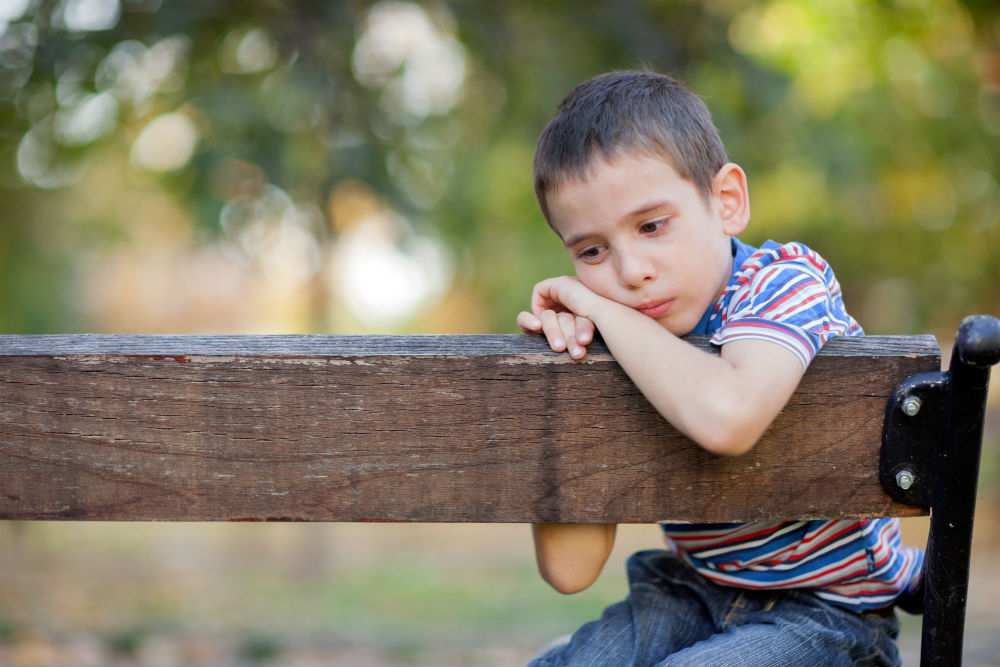
Tag: No Bullies Allowed

  • Warning Signs for Bullying

    Warning Signs for Bullying

    [vc_row type=”in_container” full_screen_row_position=”middle” scene_position=”center” text_color=”dark” text_align=”left” overlay_strength=”0.3″ shape_divider_position=”bottom” shape_type=””][vc_column column_padding=”no-extra-padding” column_padding_position=”all” background_color_opacity=”1″ background_hover_color_opacity=”1″ column_shadow=”none” column_border_radius=”none” width=”2/3″ tablet_text_alignment=”default” phone_text_alignment=”default” column_border_width=”none” column_border_style=”solid”][image_with_animation image_url=”342″ alignment=”” animation=”None” border_radius=”10px” box_shadow=”small_depth” max_width=”100%”][/vc_column][vc_column column_padding=”no-extra-padding” column_padding_position=”all” background_color_opacity=”1″ background_hover_color_opacity=”1″ column_shadow=”none” column_border_radius=”none” width=”1/3″ tablet_text_alignment=”default” phone_text_alignment=”default” column_border_width=”none” column_border_style=”solid”][/vc_column][/vc_row][vc_row type=”in_container” full_screen_row_position=”middle” scene_position=”center” text_color=”dark” text_align=”left” overlay_strength=”0.3″ shape_divider_position=”bottom” shape_type=””][vc_column column_padding=”no-extra-padding” column_padding_position=”all” background_color_opacity=”1″ background_hover_color_opacity=”1″ column_shadow=”none” column_border_radius=”none” width=”1/1″ tablet_text_alignment=”default” phone_text_alignment=”default” column_border_width=”none” column_border_style=”solid”][vc_column_text]Source: StopBullying.gov[/vc_column_text][/vc_column][/vc_row][vc_row type=”in_container” full_screen_row_position=”middle” scene_position=”center” text_color=”dark” text_align=”left” overlay_strength=”0.3″ shape_divider_position=”bottom”][vc_column column_padding=”no-extra-padding” column_padding_position=”all” background_color_opacity=”1″ background_hover_color_opacity=”1″ column_shadow=”none” column_border_radius=”none” width=”1/1″ tablet_text_alignment=”default” phone_text_alignment=”default” column_border_width=”none” column_border_style=”solid”][vc_column_text]

    Warning Signs for Bullying

    [/vc_column_text][divider line_type=”Full Width Line” line_thickness=”2″ divider_color=”extra-color-gradient-1″ custom_height=”40″][vc_column_text]There are many warning signs that may indicate that someone is affected by bullying — either being bullied or bullying others. Recognizing the warning signs is an important first step in taking action against bullying. Not all children who are bullied or are bullying others ask for help.

    It is important to talk with children who show signs of being bullied or bullying others. These warning signs can also point to other issues or problems, such as depression or substance abuse. Talking to the child can help identify the root of the problem.[/vc_column_text][divider line_type=”No Line” custom_height=”40″][vc_column_text]

    Signs a Child Is Being Bullied

    Look for changes in the child. However, be aware that not all children who are bullied exhibit warning signs.

    Some signs that may point to a bullying problem are:

    • Unexplainable injuries
    • Lost or destroyed clothing, books, electronics, or jewelry
    • Frequent headaches or stomach aches, feeling sick or faking illness
    • Changes in eating habits, like suddenly skipping meals or binge eating. Kids may come home from school hungry because they did not eat lunch.
    • Difficulty sleeping or frequent nightmares
    • Declining grades, loss of interest in schoolwork, or not wanting to go to school
    • Sudden loss of friends or avoidance of social situations
    • Feelings of helplessness or decreased self esteem
    • Self-destructive behaviors such as running away from home, harming themselves, or talking about suicide

    If you know someone in serious distress or danger, don’t ignore the problem. Get help right away.[/vc_column_text][divider line_type=”No Line” custom_height=”40″][vc_column_text]

    Signs a Child is Bullying Others

    Kids may be bullying others if they:

    • Get into physical or verbal fights
    • Have friends who bully others
    • Are increasingly aggressive
    • Get sent to the principal’s office or to detention frequently
    • Have unexplained extra money or new belongings
    • Blame others for their problems
    • Don’t accept responsibility for their actions
    • Are competitive and worry about their reputation or popularity

    [/vc_column_text][divider line_type=”No Line” custom_height=”40″][vc_column_text]

    Why don’t kids ask for help?

    Statistics from the 2012 Indicators of School Crime and Safety – PDF show that an adult was notified in less than half (40%) of bullying incidents. Kids don’t tell adults for many reasons:

    • Bullying can make a child feel helpless. Kids may want to handle it on their own to feel in control again. They may fear being seen as weak or a tattletale.
    • Kids may fear backlash from the kid who bullied them.
    • Bullying can be a humiliating experience. Kids may not want adults to know what is being said about them, whether true or false. They may also fear that adults will judge them or punish them for being weak.
    • Kids who are bullied may already feel socially isolated. They may feel like no one cares or could understand.
    • Kids may fear being rejected by their peers. Friends can help protect kids from bullying, and kids can fear losing this support.

    [/vc_column_text][/vc_column][/vc_row][vc_row type=”in_container” full_screen_row_position=”middle” scene_position=”center” text_color=”dark” text_align=”left” top_padding=”2%” overlay_strength=”0.3″ shape_divider_position=”bottom” shape_type=””][vc_column column_padding=”no-extra-padding” column_padding_position=”all” background_color_opacity=”1″ background_hover_color_opacity=”1″ column_shadow=”none” column_border_radius=”none” width=”1/1″ tablet_text_alignment=”default” phone_text_alignment=”default” column_border_width=”none” column_border_style=”solid”][vc_column_text]Source: StopBullying.gov[/vc_column_text][divider line_type=”No Line” custom_height=”35″][vc_column_text]Warning Signs for Bullying | Bullying Blogs | Bullying Resources | No Bullies Allowed Initiative | Anti Bullying | Bullying Prevention Association of America[/vc_column_text][/vc_column][/vc_row][vc_row type=”in_container” full_screen_row_position=”middle” scene_position=”center” text_color=”dark” text_align=”left” overlay_strength=”0.3″ shape_divider_position=”bottom” bg_image_animation=”none”][vc_column column_padding=”no-extra-padding” column_padding_position=”all” background_color_opacity=”1″ background_hover_color_opacity=”1″ column_link_target=”_self” column_shadow=”none” column_border_radius=”none” width=”1/1″ tablet_width_inherit=”default” tablet_text_alignment=”default” phone_text_alignment=”default” column_border_width=”none” column_border_style=”solid” bg_image_animation=”none”][vc_raw_js]JTNDc2NyaXB0JTIwZGF0YS1vaW8tem9uZSUzRCUyMnR5cGUlM0RiYW5uZXIlMjZ6b25lJTNEMSUyNmFsaWduJTNEY2VudGVyJTI2cmVmcmVzaCUzRDAlMjIlM0UlMEElMjhmdW5jdGlvbiUyOHclMkNkJTJDZSUyQ28lMkN1JTJDcyUyQ3QlMjklN0J3JTVCbyU1RCU3QyU3QyUyOHclNUJvJTVEJTNEJTdCJTdEJTJDcyUzRGQuY3JlYXRlRWxlbWVudCUyOGUlMjklMkNzLnNyYyUzRHUlMkNzLmFzeW5jJTNEMSUyQyUwQXQlM0RkLmdldEVsZW1lbnRzQnlUYWdOYW1lJTI4ZSUyOSU1QjAlNUQlMkN0LnBhcmVudE5vZGUuaW5zZXJ0QmVmb3JlJTI4cyUyQ3QlMjklMjklN0QlMjklMjh3aW5kb3clMkNkb2N1bWVudCUyQyUwQSUyMnNjcmlwdCUyMiUyQyUyMm9pb3B1YiUyMiUyQyUyMmh0dHBzJTNBJTJGJTJGbm9idWxsaWVzYWxsb3dlZC5vcmclMkZ3cC1jb250ZW50JTJGcGx1Z2lucyUyRm9pb3B1Yi1kaXJlY3QlMkZ6b25lcy5qcyUyMiUyOSUzQiUwQSUzQyUyRnNjcmlwdCUzRQ==[/vc_raw_js][/vc_column][/vc_row]


  • Who Is at Risk

    Who Is at Risk

    [vc_row type=”in_container” full_screen_row_position=”middle” scene_position=”center” text_color=”dark” text_align=”left” overlay_strength=”0.3″ shape_divider_position=”bottom” shape_type=””][vc_column column_padding=”no-extra-padding” column_padding_position=”all” background_color_opacity=”1″ background_hover_color_opacity=”1″ column_shadow=”none” column_border_radius=”none” width=”2/3″ tablet_text_alignment=”default” phone_text_alignment=”default” column_border_width=”none” column_border_style=”solid”][image_with_animation image_url=”344″ alignment=”” animation=”None” border_radius=”10px” box_shadow=”small_depth” max_width=”100%”][/vc_column][vc_column column_padding=”no-extra-padding” column_padding_position=”all” background_color_opacity=”1″ background_hover_color_opacity=”1″ column_shadow=”none” column_border_radius=”none” width=”1/3″ tablet_text_alignment=”default” phone_text_alignment=”default” column_border_width=”none” column_border_style=”solid”][/vc_column][/vc_row][vc_row type=”in_container” full_screen_row_position=”middle” scene_position=”center” text_color=”dark” text_align=”left” overlay_strength=”0.3″ shape_divider_position=”bottom” shape_type=””][vc_column column_padding=”no-extra-padding” column_padding_position=”all” background_color_opacity=”1″ background_hover_color_opacity=”1″ column_shadow=”none” column_border_radius=”none” width=”1/1″ tablet_text_alignment=”default” phone_text_alignment=”default” column_border_width=”none” column_border_style=”solid”][vc_column_text]Source: StopBullying.gov[/vc_column_text][/vc_column][/vc_row][vc_row type=”in_container” full_screen_row_position=”middle” scene_position=”center” text_color=”dark” text_align=”left” overlay_strength=”0.3″ shape_divider_position=”bottom”][vc_column column_padding=”no-extra-padding” column_padding_position=”all” background_color_opacity=”1″ background_hover_color_opacity=”1″ column_shadow=”none” column_border_radius=”none” width=”1/1″ tablet_text_alignment=”default” phone_text_alignment=”default” column_border_width=”none” column_border_style=”solid”][vc_column_text]

    Who Is at Risk

    [/vc_column_text][divider line_type=”Full Width Line” line_thickness=”2″ divider_color=”extra-color-gradient-1″ custom_height=”40″][vc_column_text]No single factor puts a child at risk of being bullied or bullying others. Bullying can happen anywhere—cities, suburbs, or rural towns. Depending on the environment, some groups—such as lesbian, gay, bisexual, transgender or questioning (LGBTQ) youth, youth with disabilities, and socially isolated youth—may be at an increased risk of being bullied. [/vc_column_text][divider line_type=”No Line” custom_height=”40″][vc_column_text]

    Children at Risk of Being Bullied

    Generally, children who are bullied have one or more of the following risk factors:

    • Are perceived as different from their peers, such as being overweight or underweight, wearing glasses or different clothing, being new to a school, or being unable to afford what kids consider “cool”
    • Are perceived as weak or unable to defend themselves
    • Are depressed, anxious, or have low self esteem
    • Are less popular than others and have few friends
    • Do not get along well with others, seen as annoying or provoking, or antagonize others for attention

    However, even if a child has these risk factors, it doesn’t mean that they will be bullied.[/vc_column_text][divider line_type=”No Line” custom_height=”40″][vc_column_text]

    Children More Likely to Bully Others

    There are two types of kids who are more likely to bully others:

    • Some are well-connected to their peers, have social power, are overly concerned about their popularity, and like to dominate or be in charge of others.
    • Others are more isolated from their peers and may be depressed or anxious, have low self esteem, be less involved in school, be easily pressured by peers, or not identify with the emotions or feelings of others.

    Children who have these factors are also more likely to bully others;

    • Are aggressive or easily frustrated
    • Have less parental involvement or having issues at home
    • Think badly of others
    • Have difficulty following rules
    • View violence in a positive way
    • Have friends who bully others

    Remember, those who bully others do not need to be stronger or bigger than those they bully. The power imbalance can come from a number of sources—popularity, strength, cognitive ability—and children who bully may have more than one of these characteristics.[/vc_column_text][/vc_column][/vc_row][vc_row type=”in_container” full_screen_row_position=”middle” scene_position=”center” text_color=”dark” text_align=”left” top_padding=”2%” overlay_strength=”0.3″ shape_divider_position=”bottom” shape_type=””][vc_column column_padding=”no-extra-padding” column_padding_position=”all” background_color_opacity=”1″ background_hover_color_opacity=”1″ column_shadow=”none” column_border_radius=”none” width=”1/1″ tablet_text_alignment=”default” phone_text_alignment=”default” column_border_width=”none” column_border_style=”solid”][vc_column_text]Source: StopBullying.gov[/vc_column_text][divider line_type=”No Line” custom_height=”35″][vc_column_text]Who Is at Risk? | Bullying Blogs | Bullying Resources | No Bullies Allowed Initiative | Anti Bullying | Bullying Prevention Association of America[/vc_column_text][/vc_column][/vc_row][vc_row type=”in_container” full_screen_row_position=”middle” scene_position=”center” text_color=”dark” text_align=”left” overlay_strength=”0.3″ shape_divider_position=”bottom” bg_image_animation=”none”][vc_column column_padding=”no-extra-padding” column_padding_position=”all” background_color_opacity=”1″ background_hover_color_opacity=”1″ column_link_target=”_self” column_shadow=”none” column_border_radius=”none” width=”1/1″ tablet_width_inherit=”default” tablet_text_alignment=”default” phone_text_alignment=”default” column_border_width=”none” column_border_style=”solid” bg_image_animation=”none”][vc_raw_js]JTNDc2NyaXB0JTIwZGF0YS1vaW8tem9uZSUzRCUyMnR5cGUlM0RiYW5uZXIlMjZ6b25lJTNEMSUyNmFsaWduJTNEY2VudGVyJTI2cmVmcmVzaCUzRDAlMjIlM0UlMEElMjhmdW5jdGlvbiUyOHclMkNkJTJDZSUyQ28lMkN1JTJDcyUyQ3QlMjklN0J3JTVCbyU1RCU3QyU3QyUyOHclNUJvJTVEJTNEJTdCJTdEJTJDcyUzRGQuY3JlYXRlRWxlbWVudCUyOGUlMjklMkNzLnNyYyUzRHUlMkNzLmFzeW5jJTNEMSUyQyUwQXQlM0RkLmdldEVsZW1lbnRzQnlUYWdOYW1lJTI4ZSUyOSU1QjAlNUQlMkN0LnBhcmVudE5vZGUuaW5zZXJ0QmVmb3JlJTI4cyUyQ3QlMjklMjklN0QlMjklMjh3aW5kb3clMkNkb2N1bWVudCUyQyUwQSUyMnNjcmlwdCUyMiUyQyUyMm9pb3B1YiUyMiUyQyUyMmh0dHBzJTNBJTJGJTJGbm9idWxsaWVzYWxsb3dlZC5vcmclMkZ3cC1jb250ZW50JTJGcGx1Z2lucyUyRm9pb3B1Yi1kaXJlY3QlMkZ6b25lcy5qcyUyMiUyOSUzQiUwQSUzQyUyRnNjcmlwdCUzRQ==[/vc_raw_js][/vc_column][/vc_row]

  • The Roles Kids Play in Bullying

    The Roles Kids Play in Bullying

    [vc_row type=”in_container” full_screen_row_position=”middle” scene_position=”center” text_color=”dark” text_align=”left” overlay_strength=”0.3″ shape_divider_position=”bottom” shape_type=””][vc_column column_padding=”no-extra-padding” column_padding_position=”all” background_color_opacity=”1″ background_hover_color_opacity=”1″ column_shadow=”none” column_border_radius=”none” width=”2/3″ tablet_text_alignment=”default” phone_text_alignment=”default” column_border_width=”none” column_border_style=”solid”][image_with_animation image_url=”346″ alignment=”” animation=”None” border_radius=”10px” box_shadow=”small_depth” max_width=”100%”][/vc_column][vc_column column_padding=”no-extra-padding” column_padding_position=”all” background_color_opacity=”1″ background_hover_color_opacity=”1″ column_shadow=”none” column_border_radius=”none” width=”1/3″ tablet_text_alignment=”default” phone_text_alignment=”default” column_border_width=”none” column_border_style=”solid”][/vc_column][/vc_row][vc_row type=”in_container” full_screen_row_position=”middle” scene_position=”center” text_color=”dark” text_align=”left” overlay_strength=”0.3″ shape_divider_position=”bottom” shape_type=””][vc_column column_padding=”no-extra-padding” column_padding_position=”all” background_color_opacity=”1″ background_hover_color_opacity=”1″ column_shadow=”none” column_border_radius=”none” width=”1/1″ tablet_text_alignment=”default” phone_text_alignment=”default” column_border_width=”none” column_border_style=”solid”][vc_column_text]Source: StopBullying.gov[/vc_column_text][/vc_column][/vc_row][vc_row type=”in_container” full_screen_row_position=”middle” scene_position=”center” text_color=”dark” text_align=”left” overlay_strength=”0.3″ shape_divider_position=”bottom”][vc_column column_padding=”no-extra-padding” column_padding_position=”all” background_color_opacity=”1″ background_hover_color_opacity=”1″ column_shadow=”none” column_border_radius=”none” width=”1/1″ tablet_text_alignment=”default” phone_text_alignment=”default” column_border_width=”none” column_border_style=”solid”][vc_column_text]

    The Roles Kids Play in Bullying

    [/vc_column_text][divider line_type=”Full Width Line” line_thickness=”2″ divider_color=”extra-color-gradient-1″ custom_height=”40″][vc_column_text]There are many roles that kids can play. Kids can bully others, they can be bullied, or they may witness bullying. When kids are involved in bullying, they often play more than one role. Sometimes kids may both be bullied and bully others or they may witness other kids being bullied. It is important to understand the multiple roles kids play in order to effectively prevent and respond to bullying[/vc_column_text][divider line_type=”No Line” custom_height=”40″][vc_column_text]

    Importance of Not Labeling Kids

    When referring to a bullying situation, it is easy to call the kids who bully others “bullies” and those who are targeted “victims,” but this may have unintended consequences. When children are labeled as “bullies” or “victims” it may:

    • Send the message that the child’s behavior cannot change
    • Fail to recognize the multiple roles children might play in different bullying situations
    • Disregard other factors contributing to the behavior such as peer influence or school climate

    Instead of labeling the children involved, focus on the behavior. For instance:

    • Instead of calling a child a “bully,” refer to them as “the child who bullied”
    • Instead of calling a child a “victim,” refer to them as “the child who was bullied”
    • Instead of calling a child a “bully/victim,” refer to them as “the child who was both bullied and bullied others.”

    [/vc_column_text][divider line_type=”No Line” custom_height=”40″][vc_column_text]

    Kids Involved in Bullying

    The roles kids play in bullying are not limited to those who bully others and those who are bullied. Some researchers talk about the “circle of bullying” to define both those directly involved in bullying and those who actively or passively assist the behavior or defend against it. Direct roles include:

    • Kids who Bully: These children engage in bullying behavior towards their peers. There are many risk factors that may contribute to the child’s involvement in the behavior. Often, these students require support to change their behavior and address any other challenges that may be influencing their behavior.
    • Kids who are Bullied: These children are the targets of bullying behavior. Some factors put children at more risk of being bullied, but not all children with these characteristics will be bullied. Sometimes, these children may need help learning how to respond to bullying.

    Even if a child is not directly involved in bullying, they may be contributing to the behavior. Witnessing the behavior may also affect the child, so it is important for them to learn what they should do when they see bullying happen. Roles kids play when they witness bullying include:

    • Kids who Assist: These children may not start the bullying or lead in the bullying behavior, but serve as an “assistant” to children who are bullying. These children may encourage the bullying behavior and occasionally join in.
    • Kids who Reinforce: These children are not directly involved in the bullying behavior but they give the bullying an audience. They will often laugh or provide support for the children who are engaging in bullying. This may encourage the bullying to continue.
    • Outsiders: These children remain separate from the bullying situation. They neither reinforce the bullying behavior nor defend the child being bullied. Some may watch what is going on but do not provide feedback about the situation to show they are on anyone’s side. Even so, providing an audience may encourage the bullying behavior.
      • These kids often want to help, but don’t know how. Learn how to be “more than a bystander.”
    • Kids who Defend: These children actively comfort the child being bullied and may come to the child’s defense when bullying occurs.

    Most kids play more than one role in bullying over time. In some cases, they may be directly involved in bullying as the one bullying others or being bullied and in others they may witness bullying and play an assisting or defending role. Every situation is different. Some kids are both bullied and bully others. It is important to note the multiple roles kids play, because:

    • Those who are both bullied and bully others may be at more risk for negative outcomes, such as depression or suicidal ideation.
    • It highlights the need to engage all kids in prevention efforts, not just those who are known to be directly involved.

    [/vc_column_text][/vc_column][/vc_row][vc_row type=”in_container” full_screen_row_position=”middle” scene_position=”center” text_color=”dark” text_align=”left” top_padding=”2%” overlay_strength=”0.3″ shape_divider_position=”bottom” shape_type=””][vc_column column_padding=”no-extra-padding” column_padding_position=”all” background_color_opacity=”1″ background_hover_color_opacity=”1″ column_shadow=”none” column_border_radius=”none” width=”1/1″ tablet_text_alignment=”default” phone_text_alignment=”default” column_border_width=”none” column_border_style=”solid”][vc_column_text]Source: StopBullying.gov[/vc_column_text][divider line_type=”No Line” custom_height=”35″][vc_column_text]The Roles Kids Play in Bullying | Bullying Blogs | Bullying Resources | No Bullies Allowed Initiative | Anti Bullying | Bullying Prevention Association of America[/vc_column_text][/vc_column][/vc_row][vc_row type=”in_container” full_screen_row_position=”middle” scene_position=”center” text_color=”dark” text_align=”left” overlay_strength=”0.3″ shape_divider_position=”bottom” bg_image_animation=”none”][vc_column column_padding=”no-extra-padding” column_padding_position=”all” background_color_opacity=”1″ background_hover_color_opacity=”1″ column_link_target=”_self” column_shadow=”none” column_border_radius=”none” width=”1/1″ tablet_width_inherit=”default” tablet_text_alignment=”default” phone_text_alignment=”default” column_border_width=”none” column_border_style=”solid” bg_image_animation=”none”][vc_raw_js]JTNDc2NyaXB0JTIwZGF0YS1vaW8tem9uZSUzRCUyMnR5cGUlM0RiYW5uZXIlMjZ6b25lJTNEMSUyNmFsaWduJTNEY2VudGVyJTI2cmVmcmVzaCUzRDAlMjIlM0UlMEElMjhmdW5jdGlvbiUyOHclMkNkJTJDZSUyQ28lMkN1JTJDcyUyQ3QlMjklN0J3JTVCbyU1RCU3QyU3QyUyOHclNUJvJTVEJTNEJTdCJTdEJTJDcyUzRGQuY3JlYXRlRWxlbWVudCUyOGUlMjklMkNzLnNyYyUzRHUlMkNzLmFzeW5jJTNEMSUyQyUwQXQlM0RkLmdldEVsZW1lbnRzQnlUYWdOYW1lJTI4ZSUyOSU1QjAlNUQlMkN0LnBhcmVudE5vZGUuaW5zZXJ0QmVmb3JlJTI4cyUyQ3QlMjklMjklN0QlMjklMjh3aW5kb3clMkNkb2N1bWVudCUyQyUwQSUyMnNjcmlwdCUyMiUyQyUyMm9pb3B1YiUyMiUyQyUyMmh0dHBzJTNBJTJGJTJGbm9idWxsaWVzYWxsb3dlZC5vcmclMkZ3cC1jb250ZW50JTJGcGx1Z2lucyUyRm9pb3B1Yi1kaXJlY3QlMkZ6b25lcy5qcyUyMiUyOSUzQiUwQSUzQyUyRnNjcmlwdCUzRQ==[/vc_raw_js][/vc_column][/vc_row]

  • What Kids Can Do

    What Kids Can Do

    [vc_row type=”in_container” full_screen_row_position=”middle” scene_position=”center” text_color=”dark” text_align=”left” overlay_strength=”0.3″ shape_divider_position=”bottom” shape_type=””][vc_column column_padding=”no-extra-padding” column_padding_position=”all” background_color_opacity=”1″ background_hover_color_opacity=”1″ column_shadow=”none” column_border_radius=”none” width=”2/3″ tablet_text_alignment=”default” phone_text_alignment=”default” column_border_width=”none” column_border_style=”solid”][image_with_animation image_url=”350″ alignment=”” animation=”None” border_radius=”10px” box_shadow=”small_depth” max_width=”100%”][/vc_column][vc_column column_padding=”no-extra-padding” column_padding_position=”all” background_color_opacity=”1″ background_hover_color_opacity=”1″ column_shadow=”none” column_border_radius=”none” width=”1/3″ tablet_text_alignment=”default” phone_text_alignment=”default” column_border_width=”none” column_border_style=”solid”][/vc_column][/vc_row][vc_row type=”in_container” full_screen_row_position=”middle” scene_position=”center” text_color=”dark” text_align=”left” overlay_strength=”0.3″ shape_divider_position=”bottom” shape_type=””][vc_column column_padding=”no-extra-padding” column_padding_position=”all” background_color_opacity=”1″ background_hover_color_opacity=”1″ column_shadow=”none” column_border_radius=”none” width=”1/1″ tablet_text_alignment=”default” phone_text_alignment=”default” column_border_width=”none” column_border_style=”solid”][vc_column_text]Source: StopBullying.gov[/vc_column_text][/vc_column][/vc_row][vc_row type=”in_container” full_screen_row_position=”middle” scene_position=”center” text_color=”dark” text_align=”left” overlay_strength=”0.3″ shape_divider_position=”bottom”][vc_column column_padding=”no-extra-padding” column_padding_position=”all” background_color_opacity=”1″ background_hover_color_opacity=”1″ column_shadow=”none” column_border_radius=”none” width=”1/1″ tablet_text_alignment=”default” phone_text_alignment=”default” column_border_width=”none” column_border_style=”solid”][vc_column_text]

    What Kids Can Do

    [/vc_column_text][divider line_type=”Full Width Line” line_thickness=”2″ divider_color=”extra-color-gradient-1″ custom_height=”40″][vc_column_text]Are you being bullied? Do you see bullying at your school? There are things you can do to keep yourself and the kids you know safe from bullying.[/vc_column_text][divider line_type=”No Line” custom_height=”40″][vc_column_text]

    Treat Everyone with Respect

    Nobody should be mean to others.

    • Stop and think before you say or do something that could hurt someone.
    • If you feel like being mean to someone, find something else to do. Play a game, watch TV, or talk to a friend.
    • Talk to an adult you trust. They can help you find ways to be nicer to others.
    • Keep in mind that everyone is different. Not better or worse. Just different.
    • If you think you have bullied someone in the past, apologize. Everyone feels better.

    [/vc_column_text][divider line_type=”No Line” custom_height=”40″][vc_column_text]

    What to Do If You’re Bullied

    There are things you can do if you are being bullied:

    • Look at the kid bullying you and tell him or her to stop in a calm, clear voice. You can also try to laugh it off. This works best if joking is easy for you. It could catch the kid bullying you off guard.
    • If speaking up seems too hard or not safe, walk away and stay away. Don’t fight back. Find an adult to stop the bullying on the spot.

    There are things you can do to stay safe in the future, too.

    • Talk to an adult you trust. Don’t keep your feelings inside. Telling someone can help you feel less alone. They can help you make a plan to stop the bullying.
    • Stay away from places where bullying happens.
    • Stay near adults and other kids. Most bullying happens when adults aren’t around.

    [/vc_column_text][divider line_type=”No Line” custom_height=”40″][vc_video link=”https://youtu.be/WwD0Zgk8jGA” el_width=”50″][divider line_type=”No Line” custom_height=”40″][vc_column_text]

    Protect Yourself from Cyberbullying

    Bullying does not always happen in person. Cyberbullying is a type of bullying that happens online or through text messages or emails. There are things you can do to protect yourself.

    • Always think about what you post. You never know what someone will forward. Being kind to others online will help to keep you safe. Do not share anything that could hurt or embarrass anyone.
    • Keep your password a secret from other kids. Even kids that seem like friends could give your password away or use it in ways you don’t want. Let your parents have your passwords.
    • Think about who sees what you post online. Complete strangers? Friends? Friends of friends? Privacy settings let you control who sees what.
    • Keep your parents in the loop. Tell them what you’re doing online and who you’re doing it with. Let them friend or follow you. Listen to what they have to say about what is and isn’t okay to do. They care about you and want you to be safe.
    • Talk to an adult you trust about any messages you get or things you see online that make you sad or scared. If it is cyberbullying, report it.

    [/vc_column_text][divider line_type=”No Line” custom_height=”40″][vc_video link=”https://youtu.be/Y14vV1R5uEc” el_width=”50″][divider line_type=”No Line” custom_height=”40″][vc_column_text]

    Stand Up for Others

    When you see bullying, there are safe things you can do to make it stop.

    • Talk to a parent, teacher, or another adult you trust. Adults need to know when bad things happen so they can help.
    • Be kind to the kid being bullied. Show them that you care by trying to include them. Sit with them at lunch or on the bus, talk to them at school, or invite them to do something. Just hanging out with them will help them know they aren’t alone.

    Not saying anything could make it worse for everyone. The kid who is bullying will think it is ok to keep treating others that way.[/vc_column_text][divider line_type=”No Line” custom_height=”40″][vc_video link=”https://youtu.be/F2jZ-STROjo” el_width=”50″][divider line_type=”No Line” custom_height=”40″][vc_column_text]

    Get Involved

    You can be a leader in preventing bullying in your community.

    • Find out more about where and when bullying happens at your school. Think about what could help. Then, share your ideas. There is a good chance that adults don’t know all of what happens. Your friends can go with you to talk to a teacher, counselor, coach, or parent and can add what they think.
    • Talk to the principal about getting involved at school. Schools sometimes give students a voice in programs to stop bullying. Be on a school safety committee. Create posters for your school about bullying. Be a role model for younger kids.
    • Write a blog, letter to the editor of your local newspaper, or tweet about bullying.
    • Participate in a No Bullies Allowed Initiative

    [/vc_column_text][/vc_column][/vc_row][vc_row type=”in_container” full_screen_row_position=”middle” scene_position=”center” text_color=”dark” text_align=”left” top_padding=”2%” overlay_strength=”0.3″ shape_divider_position=”bottom” shape_type=””][vc_column column_padding=”no-extra-padding” column_padding_position=”all” background_color_opacity=”1″ background_hover_color_opacity=”1″ column_shadow=”none” column_border_radius=”none” width=”1/1″ tablet_text_alignment=”default” phone_text_alignment=”default” column_border_width=”none” column_border_style=”solid”][vc_column_text]Source: StopBullying.gov[/vc_column_text][divider line_type=”No Line” custom_height=”35″][vc_column_text]What Kids Can Do | Bullying Blogs | Bullying Resources | No Bullies Allowed Initiative | Anti Bullying | Bullying Prevention Association of America[/vc_column_text][/vc_column][/vc_row][vc_row type=”in_container” full_screen_row_position=”middle” scene_position=”center” text_color=”dark” text_align=”left” overlay_strength=”0.3″ shape_divider_position=”bottom” bg_image_animation=”none”][vc_column column_padding=”no-extra-padding” column_padding_position=”all” background_color_opacity=”1″ background_hover_color_opacity=”1″ column_link_target=”_self” column_shadow=”none” column_border_radius=”none” width=”1/1″ tablet_width_inherit=”default” tablet_text_alignment=”default” phone_text_alignment=”default” column_border_width=”none” column_border_style=”solid” bg_image_animation=”none”][vc_raw_js]JTNDc2NyaXB0JTIwZGF0YS1vaW8tem9uZSUzRCUyMnR5cGUlM0RiYW5uZXIlMjZ6b25lJTNEMSUyNmFsaWduJTNEY2VudGVyJTI2cmVmcmVzaCUzRDAlMjIlM0UlMEElMjhmdW5jdGlvbiUyOHclMkNkJTJDZSUyQ28lMkN1JTJDcyUyQ3QlMjklN0J3JTVCbyU1RCU3QyU3QyUyOHclNUJvJTVEJTNEJTdCJTdEJTJDcyUzRGQuY3JlYXRlRWxlbWVudCUyOGUlMjklMkNzLnNyYyUzRHUlMkNzLmFzeW5jJTNEMSUyQyUwQXQlM0RkLmdldEVsZW1lbnRzQnlUYWdOYW1lJTI4ZSUyOSU1QjAlNUQlMkN0LnBhcmVudE5vZGUuaW5zZXJ0QmVmb3JlJTI4cyUyQ3QlMjklMjklN0QlMjklMjh3aW5kb3clMkNkb2N1bWVudCUyQyUwQSUyMnNjcmlwdCUyMiUyQyUyMm9pb3B1YiUyMiUyQyUyMmh0dHBzJTNBJTJGJTJGbm9idWxsaWVzYWxsb3dlZC5vcmclMkZ3cC1jb250ZW50JTJGcGx1Z2lucyUyRm9pb3B1Yi1kaXJlY3QlMkZ6b25lcy5qcyUyMiUyOSUzQiUwQSUzQyUyRnNjcmlwdCUzRQ==[/vc_raw_js][/vc_column][/vc_row]

  • What Teens Can Do

    What Teens Can Do

    [vc_row type=”in_container” full_screen_row_position=”middle” scene_position=”center” text_color=”dark” text_align=”left” overlay_strength=”0.3″ shape_divider_position=”bottom” shape_type=””][vc_column column_padding=”no-extra-padding” column_padding_position=”all” background_color_opacity=”1″ background_hover_color_opacity=”1″ column_shadow=”none” column_border_radius=”none” width=”2/3″ tablet_text_alignment=”default” phone_text_alignment=”default” column_border_width=”none” column_border_style=”solid”][image_with_animation image_url=”352″ alignment=”” animation=”None” border_radius=”10px” box_shadow=”small_depth” max_width=”100%”][/vc_column][vc_column column_padding=”no-extra-padding” column_padding_position=”all” background_color_opacity=”1″ background_hover_color_opacity=”1″ column_shadow=”none” column_border_radius=”none” width=”1/3″ tablet_text_alignment=”default” phone_text_alignment=”default” column_border_width=”none” column_border_style=”solid”][/vc_column][/vc_row][vc_row type=”in_container” full_screen_row_position=”middle” scene_position=”center” text_color=”dark” text_align=”left” overlay_strength=”0.3″ shape_divider_position=”bottom” shape_type=””][vc_column column_padding=”no-extra-padding” column_padding_position=”all” background_color_opacity=”1″ background_hover_color_opacity=”1″ column_shadow=”none” column_border_radius=”none” width=”1/1″ tablet_text_alignment=”default” phone_text_alignment=”default” column_border_width=”none” column_border_style=”solid”][vc_column_text]Source: StopBullying.gov[/vc_column_text][/vc_column][/vc_row][vc_row type=”in_container” full_screen_row_position=”middle” scene_position=”center” text_color=”dark” text_align=”left” overlay_strength=”0.3″ shape_divider_position=”bottom”][vc_column column_padding=”no-extra-padding” column_padding_position=”all” background_color_opacity=”1″ background_hover_color_opacity=”1″ column_shadow=”none” column_border_radius=”none” width=”1/1″ tablet_text_alignment=”default” phone_text_alignment=”default” column_border_width=”none” column_border_style=”solid”][vc_column_text]

    What Teens Can Do

    [/vc_column_text][divider line_type=”Full Width Line” line_thickness=”2″ divider_color=”extra-color-gradient-1″ custom_height=”40″][vc_column_text]Bullying stops us from being who we want to be, and prevents us from expressing ourselves freely, and might even make us feel unsafe. If you are bullied, say something! If you are bullying, it’s not cool![/vc_column_text][divider line_type=”No Line” custom_height=”40″][vc_column_text]

    I might be being bullied

    • SPEAK UP: If you feel uncomfortable with the comments or actions of someone… tell someone! It is better to let a trusted adult know, than to let the problem continue.
    • Get familiar with what bullying is and what it is not.  If you recognize any of the descriptions, you should stay calm, stay respectful, and tell an adult as soon as possible.
    • If you feel like you are at risk of harming yourself or others get help now!

    [/vc_column_text][divider line_type=”No Line” custom_height=”40″][vc_column_text]

    Someone is bullying me online or via text message

    • Remember, bullying does not only happen at school. It can happen anywhere, including through texting, the internet and social media.
    • Learn more about cyberbullying and how to respond if it is happening to you.

    [/vc_column_text][divider line_type=”No Line” custom_height=”40″][vc_column_text]

    I don’t get bullied, but my friend does

    [/vc_column_text][divider line_type=”No Line” custom_height=”40″][vc_column_text]

    I want to contribute to anti-bullying initiatives in my school or community

    The Federal Partners in Bullying Prevention invite you to take action to make a difference in your community! By following the steps in this youth engagement toolkit, you can join other youth leaders across the country and the Federal Partners to organize a bullying prevention social and educational event.

    [/vc_column_text][/vc_column][/vc_row][vc_row type=”in_container” full_screen_row_position=”middle” scene_position=”center” text_color=”dark” text_align=”left” top_padding=”2%” overlay_strength=”0.3″ shape_divider_position=”bottom” shape_type=””][vc_column column_padding=”no-extra-padding” column_padding_position=”all” background_color_opacity=”1″ background_hover_color_opacity=”1″ column_shadow=”none” column_border_radius=”none” width=”1/1″ tablet_text_alignment=”default” phone_text_alignment=”default” column_border_width=”none” column_border_style=”solid”][vc_column_text]Source: StopBullying.gov[/vc_column_text][divider line_type=”No Line” custom_height=”35″][vc_column_text]What Teens Can Do | Bullying Blogs | Bullying Resources | No Bullies Allowed Initiative | Anti Bullying | Bullying Prevention Association of America[/vc_column_text][/vc_column][/vc_row][vc_row type=”in_container” full_screen_row_position=”middle” scene_position=”center” text_color=”dark” text_align=”left” overlay_strength=”0.3″ shape_divider_position=”bottom” bg_image_animation=”none”][vc_column column_padding=”no-extra-padding” column_padding_position=”all” background_color_opacity=”1″ background_hover_color_opacity=”1″ column_link_target=”_self” column_shadow=”none” column_border_radius=”none” width=”1/1″ tablet_width_inherit=”default” tablet_text_alignment=”default” phone_text_alignment=”default” column_border_width=”none” column_border_style=”solid” bg_image_animation=”none”][vc_raw_js]JTNDc2NyaXB0JTIwZGF0YS1vaW8tem9uZSUzRCUyMnR5cGUlM0RiYW5uZXIlMjZ6b25lJTNEMSUyNmFsaWduJTNEY2VudGVyJTI2cmVmcmVzaCUzRDAlMjIlM0UlMEElMjhmdW5jdGlvbiUyOHclMkNkJTJDZSUyQ28lMkN1JTJDcyUyQ3QlMjklN0J3JTVCbyU1RCU3QyU3QyUyOHclNUJvJTVEJTNEJTdCJTdEJTJDcyUzRGQuY3JlYXRlRWxlbWVudCUyOGUlMjklMkNzLnNyYyUzRHUlMkNzLmFzeW5jJTNEMSUyQyUwQXQlM0RkLmdldEVsZW1lbnRzQnlUYWdOYW1lJTI4ZSUyOSU1QjAlNUQlMkN0LnBhcmVudE5vZGUuaW5zZXJ0QmVmb3JlJTI4cyUyQ3QlMjklMjklN0QlMjklMjh3aW5kb3clMkNkb2N1bWVudCUyQyUwQSUyMnNjcmlwdCUyMiUyQyUyMm9pb3B1YiUyMiUyQyUyMmh0dHBzJTNBJTJGJTJGbm9idWxsaWVzYWxsb3dlZC5vcmclMkZ3cC1jb250ZW50JTJGcGx1Z2lucyUyRm9pb3B1Yi1kaXJlY3QlMkZ6b25lcy5qcyUyMiUyOSUzQiUwQSUzQyUyRnNjcmlwdCUzRQ==[/vc_raw_js][/vc_column][/vc_row]

  • What You Can Do

    What You Can Do

    [vc_row type=”in_container” full_screen_row_position=”middle” scene_position=”center” text_color=”dark” text_align=”left” overlay_strength=”0.3″ shape_divider_position=”bottom” shape_type=””][vc_column column_padding=”no-extra-padding” column_padding_position=”all” background_color_opacity=”1″ background_hover_color_opacity=”1″ column_shadow=”none” column_border_radius=”none” width=”2/3″ tablet_text_alignment=”default” phone_text_alignment=”default” column_border_width=”none” column_border_style=”solid”][image_with_animation image_url=”354″ alignment=”” animation=”None” border_radius=”10px” box_shadow=”small_depth” max_width=”100%”][/vc_column][vc_column column_padding=”no-extra-padding” column_padding_position=”all” background_color_opacity=”1″ background_hover_color_opacity=”1″ column_shadow=”none” column_border_radius=”none” width=”1/3″ tablet_text_alignment=”default” phone_text_alignment=”default” column_border_width=”none” column_border_style=”solid”][/vc_column][/vc_row][vc_row type=”in_container” full_screen_row_position=”middle” scene_position=”center” text_color=”dark” text_align=”left” overlay_strength=”0.3″ shape_divider_position=”bottom” shape_type=””][vc_column column_padding=”no-extra-padding” column_padding_position=”all” background_color_opacity=”1″ background_hover_color_opacity=”1″ column_shadow=”none” column_border_radius=”none” width=”1/1″ tablet_text_alignment=”default” phone_text_alignment=”default” column_border_width=”none” column_border_style=”solid”][vc_column_text]Source: StopBullying.gov[/vc_column_text][/vc_column][/vc_row][vc_row type=”in_container” full_screen_row_position=”middle” scene_position=”center” text_color=”dark” text_align=”left” overlay_strength=”0.3″ shape_divider_position=”bottom”][vc_column column_padding=”no-extra-padding” column_padding_position=”all” background_color_opacity=”1″ background_hover_color_opacity=”1″ column_shadow=”none” column_border_radius=”none” width=”1/1″ tablet_text_alignment=”default” phone_text_alignment=”default” column_border_width=”none” column_border_style=”solid”][vc_column_text]

    What You Can Do

    [/vc_column_text][divider line_type=”Full Width Line” line_thickness=”2″ divider_color=”extra-color-gradient-1″ custom_height=”40″][vc_column_text]Adults have a major role in helping to prevent bullying. Find out what you can do.[/vc_column_text][divider line_type=”No Line” custom_height=”40″][vc_column_text]

    Parents

    Parents play a key role in preventing and responding to bullying. If you know or suspect that your child is involved in bullying, there are several resources that may help.

    • Recognize the warning signs that your child is involved in bullying. They could be being bullied, bullying others, or witnessing bullying.  Although these signs could signal other issues, you should talk to your child if they display any sort of behavioral or emotional changes.  Many times kids won’t ask for help, so it is important to know what to look for. If your child is at immediate risk of harming himself or others, get help right away.
    • Learn what bullying is and what it is not. Understanding what bullying is is the first step in forming a plan to prevent or respond to bullying with your child. Many behaviors that look like bullying may be just as serious, but may require different response strategies.  You can also learn about:
      • The frequency of bullying;
      • Who is at risk for being bullied and bullying others; and
      • The effects of bullying
    • Cyberbullying often requires different strategies than in-person bullying.  Learn how to work with your kids to prevent cyberbullying and how to respond when it occurs.
    • Utilize tips and tools to talk to your child about bullying. Opening lines of communication before your child is involved in bullying makes it easier for them to tell you when something happens. It is also important to work with a school to help prevent bullying before it starts.
    • If you know or suspect bullying has occurred, learn how to find out what has happened with your child. Understanding what has happened can also help in communicating with school or community officials about the situation.
    • If you have determined bullying has occurred, learn how you and school or community officials can work together to support your child, whether they were bullied, bullied others, or witnessed bullying.  Learn also about considerations for specific groups.
    • If bullying is occurring at school, learn about what your state requires schools to do in your state’s anti-bullying law. Learn also about federal laws that require schools to address harassment based on race, color, national origin, sex, and disabilities and ways to report situations that have not been adequately addressed to the U.S. Departments of Education and Justice.
    • If you have worked with your child and your school and need additional assistance, find resources to help address the situation.

    [/vc_column_text][divider line_type=”No Line” custom_height=”40″][vc_column_text]

    Educators

    Schools are a primary place where bullying can happen. Helping to establish a supportive and safe school climate where all students are accepted and knowing how to respond when bullying happens are key to making sure all students are able to learn and grow. There are many tools on StopBullying.gov specific for teachers, administrators, and other school staff.

    • Learn what bullying is and what it is not. Many behaviors that look like bullying may be just as serious, but may require different response strategies. You can also learn about what to look for as warning signs that some of your students might be involved in bullying and who might be at more risk for being involved. Know about special considerations for specific groups.
    • Establish a safe school climate. Often the first step to preventing bullying is making sure the students, teachers, and administrators alike are educated about bullying. Tools like the School Bus Drivers Training and Classroom Teacher Training can help. For kids, tools like these webisodes can help them learn about bullying.
    • Learn how to engage parents and youth in the building a positive school climate. Learning how to talk about bullying with youth is a critical step.
    • Know about your obligations under your state’s anti-bullying law. Learn also about federal laws that require schools to address harassment based on race, color, national origin, sex, and disabilities. Work to establish rules and policies to help let the entire school community know the expectations around bullying and procedures to report and investigate when something happens.
    • Assess bullying in your school and understand how your school compares to national rates of bullying.
    • Respond when bullying happens. Learn how to stop it on the spot, find out what happened, and support all students involved.
    • Avoid misdirections in bullying prevention and response strategies.
    • Utilize free Federal and Non-Federal Resources on bullying.

    [/vc_column_text][divider line_type=”No Line” custom_height=”40″][vc_column_text]

    Community

    As an adult in the community, you play an important role in ensuring all children are safe from bullying. Whether you work in law enforcement, mental health services, community or youth organizations, or any other role that works with children, there are resources to help you take action against bullying.

    • First, understanding what bullying is and what it is not is critical in forming bullying prevention strategies. It is also good to know what your state’s laws are about bullying. Some laws, such as in Washington, D.C., cover community organizations as well as schools.
    • Utilize the community action planning toolkit to host anti-bullying events in your community and develop a comprehensive strategy for bullying prevention.
    • Explore other Federal and Non-Federal resources that might help you in planning your bullying prevention work.
    • If you know or suspect bullying is taking place in the community, learn how to respond.
    • Learn more about working in the community, including potential partners and additional strategies.

    [/vc_column_text][/vc_column][/vc_row][vc_row type=”in_container” full_screen_row_position=”middle” scene_position=”center” text_color=”dark” text_align=”left” top_padding=”2%” overlay_strength=”0.3″ shape_divider_position=”bottom” shape_type=””][vc_column column_padding=”no-extra-padding” column_padding_position=”all” background_color_opacity=”1″ background_hover_color_opacity=”1″ column_shadow=”none” column_border_radius=”none” width=”1/1″ tablet_text_alignment=”default” phone_text_alignment=”default” column_border_width=”none” column_border_style=”solid”][vc_column_text]Source: StopBullying.gov[/vc_column_text][divider line_type=”No Line” custom_height=”35″][vc_column_text]What You Can Do | Bullying Blogs | Bullying Resources | No Bullies Allowed Initiative | Anti Bullying | Bullying Prevention Association of America[/vc_column_text][/vc_column][/vc_row][vc_row type=”in_container” full_screen_row_position=”middle” scene_position=”center” text_color=”dark” text_align=”left” overlay_strength=”0.3″ shape_divider_position=”bottom” bg_image_animation=”none”][vc_column column_padding=”no-extra-padding” column_padding_position=”all” background_color_opacity=”1″ background_hover_color_opacity=”1″ column_link_target=”_self” column_shadow=”none” column_border_radius=”none” width=”1/1″ tablet_width_inherit=”default” tablet_text_alignment=”default” phone_text_alignment=”default” column_border_width=”none” column_border_style=”solid” bg_image_animation=”none”][vc_raw_js]JTNDc2NyaXB0JTIwZGF0YS1vaW8tem9uZSUzRCUyMnR5cGUlM0RiYW5uZXIlMjZ6b25lJTNEMSUyNmFsaWduJTNEY2VudGVyJTI2cmVmcmVzaCUzRDAlMjIlM0UlMEElMjhmdW5jdGlvbiUyOHclMkNkJTJDZSUyQ28lMkN1JTJDcyUyQ3QlMjklN0J3JTVCbyU1RCU3QyU3QyUyOHclNUJvJTVEJTNEJTdCJTdEJTJDcyUzRGQuY3JlYXRlRWxlbWVudCUyOGUlMjklMkNzLnNyYyUzRHUlMkNzLmFzeW5jJTNEMSUyQyUwQXQlM0RkLmdldEVsZW1lbnRzQnlUYWdOYW1lJTI4ZSUyOSU1QjAlNUQlMkN0LnBhcmVudE5vZGUuaW5zZXJ0QmVmb3JlJTI4cyUyQ3QlMjklMjklN0QlMjklMjh3aW5kb3clMkNkb2N1bWVudCUyQyUwQSUyMnNjcmlwdCUyMiUyQyUyMm9pb3B1YiUyMiUyQyUyMmh0dHBzJTNBJTJGJTJGbm9idWxsaWVzYWxsb3dlZC5vcmclMkZ3cC1jb250ZW50JTJGcGx1Z2lucyUyRm9pb3B1Yi1kaXJlY3QlMkZ6b25lcy5qcyUyMiUyOSUzQiUwQSUzQyUyRnNjcmlwdCUzRQ==[/vc_raw_js][/vc_column][/vc_row]

  • Training Center

    Training Center

    [vc_row type=”in_container” full_screen_row_position=”middle” scene_position=”center” text_color=”dark” text_align=”left” overlay_strength=”0.3″ shape_divider_position=”bottom” shape_type=””][vc_column column_padding=”no-extra-padding” column_padding_position=”all” background_color_opacity=”1″ background_hover_color_opacity=”1″ column_shadow=”none” column_border_radius=”none” width=”2/3″ tablet_text_alignment=”default” phone_text_alignment=”default” column_border_width=”none” column_border_style=”solid”][image_with_animation image_url=”356″ alignment=”” animation=”None” border_radius=”10px” box_shadow=”small_depth” max_width=”100%”][/vc_column][vc_column column_padding=”no-extra-padding” column_padding_position=”all” background_color_opacity=”1″ background_hover_color_opacity=”1″ column_shadow=”none” column_border_radius=”none” width=”1/3″ tablet_text_alignment=”default” phone_text_alignment=”default” column_border_width=”none” column_border_style=”solid”][/vc_column][/vc_row][vc_row type=”in_container” full_screen_row_position=”middle” scene_position=”center” text_color=”dark” text_align=”left” overlay_strength=”0.3″ shape_divider_position=”bottom” shape_type=””][vc_column column_padding=”no-extra-padding” column_padding_position=”all” background_color_opacity=”1″ background_hover_color_opacity=”1″ column_shadow=”none” column_border_radius=”none” width=”1/1″ tablet_text_alignment=”default” phone_text_alignment=”default” column_border_width=”none” column_border_style=”solid”][vc_column_text]Source: StopBullying.gov[/vc_column_text][/vc_column][/vc_row][vc_row type=”in_container” full_screen_row_position=”middle” scene_position=”center” text_color=”dark” text_align=”left” overlay_strength=”0.3″ shape_divider_position=”bottom”][vc_column column_padding=”no-extra-padding” column_padding_position=”all” background_color_opacity=”1″ background_hover_color_opacity=”1″ column_shadow=”none” column_border_radius=”none” width=”1/1″ tablet_text_alignment=”default” phone_text_alignment=”default” column_border_width=”none” column_border_style=”solid”][vc_column_text]

    Bullying Prevention Training Center

    [/vc_column_text][divider line_type=”Full Width Line” line_thickness=”2″ divider_color=”extra-color-gradient-1″ custom_height=”40″][vc_column_text]

    Bullying Prevention Continuing Education Course

    New! Learn how to take a public health approach to bullying prevention and earn continuing education.[/vc_column_text][divider line_type=”No Line” custom_height=”20″][nectar_btn size=”small” open_new_tab=”true” button_style=”regular” button_color_2=”extra-color-gradient-2″ icon_family=”default_arrow” url=”https://www.stopbullying.gov/prevention/training-center/bullying-prevention-training-course/index.html” text=”Bullying Prevention Training Course”][divider line_type=”No Line” custom_height=”40″][vc_column_text]

    Getting Started

    The Bullying Prevention Training Module Presentation is a research-based resource that can help you lead bullying prevention efforts in your local community.

    Bullying Prevention Training Module – PowerPoint

    Bullying Prevention Training Module – PDF[/vc_column_text][divider line_type=”No Line” custom_height=”40″][vc_column_text]

    Organizing a Community Event

    The Community Action Toolkit includes materials to create a community event using the research, ideas and bullying prevention and response strategies that you learned about in the Training Module.

    Community Action Toolkit – English – PDF

    Equipo de acción comunitaria – Español – PDF[/vc_column_text][divider line_type=”No Line” custom_height=”40″][vc_column_text]

    Training for Educators and School Bus Drivers

    The National Center of Safe Supportive Learning Environments (NCSSLE) offers bullying prevention training toolkits filled with research-based, user friendly materials trainers can use for events and workshops. Each Training Toolkit includes a step-by-step facilitator’s guide, a customizable power point presentation, handouts, and feedback form.

    Creating a Safe and Respectful Environment on Our Nation’s School Buses

    Creating a Safe and Respectful Environment in Our Nation’s Classrooms

    Get Smart, Get Help, Get Safe[/vc_column_text][divider line_type=”No Line” custom_height=”40″][vc_column_text]

    Learn From Others

    The Take Action Today booklet features stories of how different community leaders are working hard to prevent bullying in their schools and their communities.

    Take Action Today Blog Series – PDF[/vc_column_text][divider line_type=”No Line” custom_height=”40″][vc_column_text]

    Evidence Review of Bullying Prevention Strategies

    The “Strengthen the Evidence Base for Maternal and Child Health (SEMCH) Programs” is a Health Resources and Services Administration-funded initiative that aims to support state Maternal and Child Health(MCH) Title V programs in developing evidence-based or evidence-informed State Action Plans in responding to the National Outcome Measures, National Performance Measures, and State Performance Measures to facilitate the transformation of the MCH Title V Block Grant program.

    SEMCH recently released an evidence review of the current literature on strategies to address bullying. Although the intended audience for these briefs is Title V state health departments, the information has broad applicability to any individual or organization interested in bullying prevention. You can access to 3-page brief on the SEMCH website, as well as the full report.

    National Performance Measure 9 Bullying Evidence Review – PDF[/vc_column_text][/vc_column][/vc_row][vc_row type=”in_container” full_screen_row_position=”middle” scene_position=”center” text_color=”dark” text_align=”left” top_padding=”2%” overlay_strength=”0.3″ shape_divider_position=”bottom” shape_type=””][vc_column column_padding=”no-extra-padding” column_padding_position=”all” background_color_opacity=”1″ background_hover_color_opacity=”1″ column_shadow=”none” column_border_radius=”none” width=”1/1″ tablet_text_alignment=”default” phone_text_alignment=”default” column_border_width=”none” column_border_style=”solid”][vc_column_text]Source: StopBullying.gov[/vc_column_text][divider line_type=”No Line” custom_height=”35″][vc_column_text]Training Center | Bullying Blogs | Bullying Resources | No Bullies Allowed Initiative | Anti Bullying | Bullying Prevention Association of America[/vc_column_text][/vc_column][/vc_row][vc_row type=”in_container” full_screen_row_position=”middle” scene_position=”center” text_color=”dark” text_align=”left” overlay_strength=”0.3″ shape_divider_position=”bottom” bg_image_animation=”none”][vc_column column_padding=”no-extra-padding” column_padding_position=”all” background_color_opacity=”1″ background_hover_color_opacity=”1″ column_link_target=”_self” column_shadow=”none” column_border_radius=”none” width=”1/1″ tablet_width_inherit=”default” tablet_text_alignment=”default” phone_text_alignment=”default” column_border_width=”none” column_border_style=”solid” bg_image_animation=”none”][vc_raw_js]JTNDc2NyaXB0JTIwZGF0YS1vaW8tem9uZSUzRCUyMnR5cGUlM0RiYW5uZXIlMjZ6b25lJTNEMSUyNmFsaWduJTNEY2VudGVyJTI2cmVmcmVzaCUzRDAlMjIlM0UlMEElMjhmdW5jdGlvbiUyOHclMkNkJTJDZSUyQ28lMkN1JTJDcyUyQ3QlMjklN0J3JTVCbyU1RCU3QyU3QyUyOHclNUJvJTVEJTNEJTdCJTdEJTJDcyUzRGQuY3JlYXRlRWxlbWVudCUyOGUlMjklMkNzLnNyYyUzRHUlMkNzLmFzeW5jJTNEMSUyQyUwQXQlM0RkLmdldEVsZW1lbnRzQnlUYWdOYW1lJTI4ZSUyOSU1QjAlNUQlMkN0LnBhcmVudE5vZGUuaW5zZXJ0QmVmb3JlJTI4cyUyQ3QlMjklMjklN0QlMjklMjh3aW5kb3clMkNkb2N1bWVudCUyQyUwQSUyMnNjcmlwdCUyMiUyQyUyMm9pb3B1YiUyMiUyQyUyMmh0dHBzJTNBJTJGJTJGbm9idWxsaWVzYWxsb3dlZC5vcmclMkZ3cC1jb250ZW50JTJGcGx1Z2lucyUyRm9pb3B1Yi1kaXJlY3QlMkZ6b25lcy5qcyUyMiUyOSUzQiUwQSUzQyUyRnNjcmlwdCUzRQ==[/vc_raw_js][/vc_column][/vc_row]

  • Media Guidelines for Bullying Prevention

    Media Guidelines for Bullying Prevention

    [vc_row type=”in_container” full_screen_row_position=”middle” scene_position=”center” text_color=”dark” text_align=”left” overlay_strength=”0.3″ shape_divider_position=”bottom” shape_type=””][vc_column column_padding=”no-extra-padding” column_padding_position=”all” background_color_opacity=”1″ background_hover_color_opacity=”1″ column_shadow=”none” column_border_radius=”none” width=”2/3″ tablet_text_alignment=”default” phone_text_alignment=”default” column_border_width=”none” column_border_style=”solid”][image_with_animation image_url=”358″ alignment=”” animation=”None” border_radius=”10px” box_shadow=”small_depth” max_width=”100%”][/vc_column][vc_column column_padding=”no-extra-padding” column_padding_position=”all” background_color_opacity=”1″ background_hover_color_opacity=”1″ column_shadow=”none” column_border_radius=”none” width=”1/3″ tablet_text_alignment=”default” phone_text_alignment=”default” column_border_width=”none” column_border_style=”solid”][/vc_column][/vc_row][vc_row type=”in_container” full_screen_row_position=”middle” scene_position=”center” text_color=”dark” text_align=”left” overlay_strength=”0.3″ shape_divider_position=”bottom” shape_type=””][vc_column column_padding=”no-extra-padding” column_padding_position=”all” background_color_opacity=”1″ background_hover_color_opacity=”1″ column_shadow=”none” column_border_radius=”none” width=”1/1″ tablet_text_alignment=”default” phone_text_alignment=”default” column_border_width=”none” column_border_style=”solid”][vc_column_text]Source: StopBullying.gov[/vc_column_text][/vc_column][/vc_row][vc_row type=”in_container” full_screen_row_position=”middle” scene_position=”center” text_color=”dark” text_align=”left” overlay_strength=”0.3″ shape_divider_position=”bottom”][vc_column column_padding=”no-extra-padding” column_padding_position=”all” background_color_opacity=”1″ background_hover_color_opacity=”1″ column_shadow=”none” column_border_radius=”none” width=”1/1″ tablet_text_alignment=”default” phone_text_alignment=”default” column_border_width=”none” column_border_style=”solid”][vc_column_text]

    Media Guidelines for Bullying Prevention

    [/vc_column_text][divider line_type=”Full Width Line” line_thickness=”2″ divider_color=”extra-color-gradient-1″ custom_height=”40″][vc_column_text]Media coverage of social issues has a profound impact on how communities understand and address problems. Research and expert opinion suggest that certain trends in media coverage of bullying have the potential to do harm. This section offers help to journalists, bloggers, the entertainment creative community, and others who are developing content about bullying. [/vc_column_text][divider line_type=”No Line” custom_height=”40″][vc_column_text]

    What the Public Needs to Know About Bullying

    • Although concern about it is growing, bullying isn’t an epidemic. In fact, national rates have decreased slightly in recent years.
    • Bullying does not cause suicide; it’s only one of many factors involved.
    • Bullying can affect any young person, but there are characteristics and circumstances that put certain youth at higher risk.
    • Each bullying incident is a complex interaction. While there might be one “ringleader,” the bystanders often are involved.
    • Cyberbullying is not nearly as common as people think.
    • Some prevention strategies seem to help, and researchers continue to learn about what works.
    • Although 49 states have anti-bullying legislation, bullying is not illegal.
    • StopBullying.gov provides information on what bullying is, what cyberbullying is, who is at risk, and how you can prevent and respond to bullying.

    [/vc_column_text][divider line_type=”No Line” custom_height=”40″][vc_column_text]

    Best Practices

    Reporting on bullying poses challenges for journalists and other content creators. It involves reporting accurately on situations with complex emotions and cloudy details. Accurately informing the public is increasingly important as research suggests that certain trends in media coverage have the potential to do harm. Here is a list of best practices to assist journalists and other content creators:

    • Question which stories about bullying to run
    • Get the entire, balanced story and present it accurately
    • Use knowledgeable sources and reputable resources
    • Include information that many stories miss
    • Use nuanced, accurate journalism to make the world safer for our youth
    • Consider the standards that will shape your coverage of bullying issues before news breaks

    This section also features examples of balanced and accurate coverage on bullying.[/vc_column_text][divider line_type=”No Line” custom_height=”40″][vc_column_text]

    Question which stories about bullying to run

    When considering a piece on bullying, ask a few key questions:

    • Does the behavior actually meet the definition of bullying?
    • How will this coverage affect the children and families involved?
    • Does the story reflect reality?
    • Will this coverage help audiences better understand how they can contribute to preventing bullying?

    Get the entire, balanced story and present it accurately

    • Try to talk to everyone involved, including bystanders and the young people accused of bullying.
    • State the facts.
    • Cover bullying as a public health issue.
    • Remember that bullying affects people’s lives and emotions.

    Use knowledgeable sources and reputable resources

    Sources make the story. So does accurate information. Without these, journalists and other content creators risk their coverage misinforming the public and doing more harm than good.

    • Find an expert. A bullying prevention expert can help ensure you have the facts about this complex problem. Other sources—principals, teachers, guidance counselors, parents, students—can round out your piece by relaying their own experiences.
    • Use verified statistics and research-based facts. A web search will reveal lots of misinformation about bullying.

    Include information that many stories miss

    Analysis of media articles has shown that certain elements of bullying stories are often missing, including:

    • Information about those who bully. This can be very difficult to obtain, but at least represent what generally is known about youth who bully, including the many risk factors they face, the negative effects bullying has on these youth, and the facts that youth who bully are not all alike and some are also bullied themselves.
    • Effects of bullying. Explain the multitude of problems associated with bullying—not just suicide—such as absenteeism, drug and alcohol abuse, and depression. Many of these effects can last into adulthood. Also include effects on the school and the community.
    • Specific ways for individuals to help. Instead of general advice (e.g., “support your children”), or focusing on prevention through anti-bullying legislation or policies, offer specific action steps your audience can take.

    Use nuanced, accurate journalism to make the world safer for kids

    Without information about prevention, media coverage implies that bullying has no solution, a misrepresentation of the current state of the research. Audiences are left with only a sense of hopelessness. Consider the following approaches:

    • Give practical advice on how to prevent bullying tailored for your audience.
    • Highlight successful bullying prevention initiatives. Though no “silver bullet” approach has been identified, plenty of schools and communities have made progress.
    • Discuss new prevention research. Just as with other public health issues, keep the public informed of progress and setbacks documented in peer-reviewed journals.
    • Point to prevention resources. See the list of resources available on StopBullying.gov. For stories that discuss suicide, mention the National Suicide Prevention Lifeline, 1-800-273-TALK (8255).
    • Stress the positive actions, reactions, and interventions by the school or others.

    Consider the standards that will shape your coverage of bullying issues before news breaks.
    Be prepared for fast-breaking stories with ethical guidelines already in place.

    Examples of Balanced and Accurate Coverage

    Below is a collection of articles that reflect balanced and accurate reporting on bullying, organized by type of story:

    [/vc_column_text][/vc_column][/vc_row][vc_row type=”in_container” full_screen_row_position=”middle” scene_position=”center” text_color=”dark” text_align=”left” top_padding=”2%” overlay_strength=”0.3″ shape_divider_position=”bottom” shape_type=””][vc_column column_padding=”no-extra-padding” column_padding_position=”all” background_color_opacity=”1″ background_hover_color_opacity=”1″ column_shadow=”none” column_border_radius=”none” width=”1/1″ tablet_text_alignment=”default” phone_text_alignment=”default” column_border_width=”none” column_border_style=”solid”][vc_column_text]Source: StopBullying.gov[/vc_column_text][divider line_type=”No Line” custom_height=”35″][vc_column_text]Media Guidelines for Bullying Prevention | Bullying Blogs | Bullying Resources | No Bullies Allowed Initiative | Anti Bullying | Bullying Prevention Association of America[/vc_column_text][/vc_column][/vc_row][vc_row type=”in_container” full_screen_row_position=”middle” scene_position=”center” text_color=”dark” text_align=”left” overlay_strength=”0.3″ shape_divider_position=”bottom” bg_image_animation=”none”][vc_column column_padding=”no-extra-padding” column_padding_position=”all” background_color_opacity=”1″ background_hover_color_opacity=”1″ column_link_target=”_self” column_shadow=”none” column_border_radius=”none” width=”1/1″ tablet_width_inherit=”default” tablet_text_alignment=”default” phone_text_alignment=”default” column_border_width=”none” column_border_style=”solid” bg_image_animation=”none”][vc_raw_js]JTNDc2NyaXB0JTIwZGF0YS1vaW8tem9uZSUzRCUyMnR5cGUlM0RiYW5uZXIlMjZ6b25lJTNEMSUyNmFsaWduJTNEY2VudGVyJTI2cmVmcmVzaCUzRDAlMjIlM0UlMEElMjhmdW5jdGlvbiUyOHclMkNkJTJDZSUyQ28lMkN1JTJDcyUyQ3QlMjklN0J3JTVCbyU1RCU3QyU3QyUyOHclNUJvJTVEJTNEJTdCJTdEJTJDcyUzRGQuY3JlYXRlRWxlbWVudCUyOGUlMjklMkNzLnNyYyUzRHUlMkNzLmFzeW5jJTNEMSUyQyUwQXQlM0RkLmdldEVsZW1lbnRzQnlUYWdOYW1lJTI4ZSUyOSU1QjAlNUQlMkN0LnBhcmVudE5vZGUuaW5zZXJ0QmVmb3JlJTI4cyUyQ3QlMjklMjklN0QlMjklMjh3aW5kb3clMkNkb2N1bWVudCUyQyUwQSUyMnNjcmlwdCUyMiUyQyUyMm9pb3B1YiUyMiUyQyUyMmh0dHBzJTNBJTJGJTJGbm9idWxsaWVzYWxsb3dlZC5vcmclMkZ3cC1jb250ZW50JTJGcGx1Z2lucyUyRm9pb3B1Yi1kaXJlY3QlMkZ6b25lcy5qcyUyMiUyOSUzQiUwQSUzQyUyRnNjcmlwdCUzRQ==[/vc_raw_js][/vc_column][/vc_row]

  • Support the Kids Involved

    Support the Kids Involved

    [vc_row type=”in_container” full_screen_row_position=”middle” scene_position=”center” text_color=”dark” text_align=”left” overlay_strength=”0.3″ shape_divider_position=”bottom” shape_type=””][vc_column column_padding=”no-extra-padding” column_padding_position=”all” background_color_opacity=”1″ background_hover_color_opacity=”1″ column_shadow=”none” column_border_radius=”none” width=”2/3″ tablet_text_alignment=”default” phone_text_alignment=”default” column_border_width=”none” column_border_style=”solid”][image_with_animation image_url=”360″ alignment=”” animation=”None” border_radius=”10px” box_shadow=”small_depth” max_width=”100%”][/vc_column][vc_column column_padding=”no-extra-padding” column_padding_position=”all” background_color_opacity=”1″ background_hover_color_opacity=”1″ column_shadow=”none” column_border_radius=”none” width=”1/3″ tablet_text_alignment=”default” phone_text_alignment=”default” column_border_width=”none” column_border_style=”solid”][/vc_column][/vc_row][vc_row type=”in_container” full_screen_row_position=”middle” scene_position=”center” text_color=”dark” text_align=”left” overlay_strength=”0.3″ shape_divider_position=”bottom” shape_type=””][vc_column column_padding=”no-extra-padding” column_padding_position=”all” background_color_opacity=”1″ background_hover_color_opacity=”1″ column_shadow=”none” column_border_radius=”none” width=”1/1″ tablet_text_alignment=”default” phone_text_alignment=”default” column_border_width=”none” column_border_style=”solid”][vc_column_text]Source: StopBullying.gov[/vc_column_text][/vc_column][/vc_row][vc_row type=”in_container” full_screen_row_position=”middle” scene_position=”center” text_color=”dark” text_align=”left” overlay_strength=”0.3″ shape_divider_position=”bottom”][vc_column column_padding=”no-extra-padding” column_padding_position=”all” background_color_opacity=”1″ background_hover_color_opacity=”1″ column_shadow=”none” column_border_radius=”none” width=”1/1″ tablet_text_alignment=”default” phone_text_alignment=”default” column_border_width=”none” column_border_style=”solid”][vc_column_text]

    Support the Kids Involved

    [/vc_column_text][divider line_type=”Full Width Line” line_thickness=”2″ divider_color=”extra-color-gradient-1″ custom_height=”40″][vc_column_text]All kids involved in bullying—whether they are bullied, bully others, or see bullying—can be affected. It is important to support all kids involved to make sure the bullying doesn’t continue and effects can be minimized.[/vc_column_text][divider line_type=”No Line” custom_height=”40″][vc_column_text]

    Support Kids Who are Bullied

    Listen and focus on the child. Learn what’s been going on and show you want to help.

    Assure the child that bullying is not their fault. 

    Know that kids who are bullied may struggle with talking about it. Consider referring them to a school counselor, psychologist, or other mental health service.

    Give advice about what to do. This may involve role-playing and thinking through how the child might react if the bullying occurs again.

    Work together to resolve the situation and protect the bullied child. The child, parents, and school or organization may all have valuable input. It may help to:

    • Ask the child being bullied what can be done to make him or her feel safe. Remember that changes to routine should be minimized. He or she is not at fault and should not be singled out. For example, consider rearranging classroom or bus seating plans for everyone. If bigger moves are necessary, such as switching classrooms or bus routes, the child who is bullied should not be forced to change.
    • Develop a game plan. Maintain open communication between schools, organizations, and parents. Discuss the steps that are taken and the limitations around what can be done based on policies and laws. Remember, the law does not allow school personnel to discuss discipline, consequences, or services given to other children.

    Be persistent. Bullying may not end overnight. Commit to making it stop and consistently support the bullied child.

    Avoid these mistakes:

    • Never tell the child to ignore the bullying.
    • Do not blame the child for being bullied. Even if he or she provoked the bullying, no one deserves to be bullied.
    • Do not tell the child to physically fight back against the kid who is bullying. It could get the child hurt, suspended, or expelled.
    • Parents should resist the urge to contact the other parents involved. It may make matters worse. School or other officials can act as mediators between parents.

    Follow-up. Show a commitment to making bullying stop. Because bullying is behavior that repeats or has the potential to be repeated, it takes consistent effort to ensure that it stops.[/vc_column_text][divider line_type=”No Line” custom_height=”40″][vc_column_text]

    Address Bullying Behavior

    Parents, school staff, and organizations all have a role to play.

    Make sure the child knows what the problem behavior is. Young people who bully must learn their behavior is wrong and harms others.

    Show kids that bullying is taken seriously. Calmly tell the child that bullying will not be tolerated. Model respectful behavior when addressing the problem.

    Work with the child to understand some of the reasons he or she bullied. For example:

    • Sometimes children bully to fit in. These kids can benefit from participating in positive activities. Involvement in sports and clubs can enable them to take leadership roles and make friends without feeling the need to bully.
    • Other times kids act out because something else—issues at home, abuse, stress—is going on in their lives. They also may have been bullied. These kids may be in need of additional support, such as mental health services.

    Use consequences to teach. Consequences that involve learning or building empathy can help prevent future bullying. School staff should remember to follow the guidelines in their student code of conductand other policies in developing consequences and assigning discipline. For example, the child who bullied can:

    • Lead a class discussion about how to be a good friend.
    • Write a story about the effects of bullying or benefits of teamwork.
    • Role-play a scenario or make a presentation about the importance of respecting others, the negative effects of gossip, or how to cooperate.
    • Do a project about civil rights and bullying.
    • Read a book about bullying.
    • Make posters for the school about cyberbullying and being smart online.

    Involve the kid who bullied in making amends or repairing the situation. The goal is to help them see how their actions affect others. For example, the child can:

    • Write a letter apologizing to the student who was bullied.
    • Do a good deed for the person who was bullied or for others in your community.
    • Clean up, repair, or pay for any property they damaged.

    Avoid strategies that don’t work or have negative consequences.

    • Zero tolerance or “three strikes, you’re out” strategies don’t work. Suspending or expelling students who bully does not reduce bullying behavior. Students and teachers may be less likely to report and address bullying if suspension or expulsion is the consequence.
    • Conflict resolution and peer mediation don’t work for bullying. Bullying is not a conflict between people of equal power who share equal blame. Facing those who have bullied may further upset kids who have been bullied.
    • Group treatment for students who bully doesn’t work. Group members tend to reinforce bullying behavior in each other.

    Follow-up. After the bullying issue is resolved, continue finding ways to help the child who bullied to understand how what they do affects other people. For example, praise acts of kindness or talk about what it means to be a good friend.[/vc_column_text][divider line_type=”No Line” custom_height=”40″][vc_column_text]

    Support Bystanders Who Witness Bullying

    Even if kids are not bullied or bullying others they can be affected by bullying. Many times, when they see bullying, they may not know what to do to stop it. They may not feel safe stepping in in the moment, but there are many other steps they can take.[/vc_column_text][/vc_column][/vc_row][vc_row type=”in_container” full_screen_row_position=”middle” scene_position=”center” text_color=”dark” text_align=”left” top_padding=”2%” overlay_strength=”0.3″ shape_divider_position=”bottom” shape_type=””][vc_column column_padding=”no-extra-padding” column_padding_position=”all” background_color_opacity=”1″ background_hover_color_opacity=”1″ column_shadow=”none” column_border_radius=”none” width=”1/1″ tablet_text_alignment=”default” phone_text_alignment=”default” column_border_width=”none” column_border_style=”solid”][vc_column_text]Source: StopBullying.gov[/vc_column_text][divider line_type=”No Line” custom_height=”35″][vc_column_text]Support the Kids Involved | Bullying Blogs | Bullying Resources | No Bullies Allowed Initiative | Anti Bullying | Bullying Prevention Association of America[/vc_column_text][/vc_column][/vc_row][vc_row type=”in_container” full_screen_row_position=”middle” scene_position=”center” text_color=”dark” text_align=”left” overlay_strength=”0.3″ shape_divider_position=”bottom” bg_image_animation=”none”][vc_column column_padding=”no-extra-padding” column_padding_position=”all” background_color_opacity=”1″ background_hover_color_opacity=”1″ column_link_target=”_self” column_shadow=”none” column_border_radius=”none” width=”1/1″ tablet_width_inherit=”default” tablet_text_alignment=”default” phone_text_alignment=”default” column_border_width=”none” column_border_style=”solid” bg_image_animation=”none”][vc_raw_js]JTNDc2NyaXB0JTIwZGF0YS1vaW8tem9uZSUzRCUyMnR5cGUlM0RiYW5uZXIlMjZ6b25lJTNEMSUyNmFsaWduJTNEY2VudGVyJTI2cmVmcmVzaCUzRDAlMjIlM0UlMEElMjhmdW5jdGlvbiUyOHclMkNkJTJDZSUyQ28lMkN1JTJDcyUyQ3QlMjklN0J3JTVCbyU1RCU3QyU3QyUyOHclNUJvJTVEJTNEJTdCJTdEJTJDcyUzRGQuY3JlYXRlRWxlbWVudCUyOGUlMjklMkNzLnNyYyUzRHUlMkNzLmFzeW5jJTNEMSUyQyUwQXQlM0RkLmdldEVsZW1lbnRzQnlUYWdOYW1lJTI4ZSUyOSU1QjAlNUQlMkN0LnBhcmVudE5vZGUuaW5zZXJ0QmVmb3JlJTI4cyUyQ3QlMjklMjklN0QlMjklMjh3aW5kb3clMkNkb2N1bWVudCUyQyUwQSUyMnNjcmlwdCUyMiUyQyUyMm9pb3B1YiUyMiUyQyUyMmh0dHBzJTNBJTJGJTJGbm9idWxsaWVzYWxsb3dlZC5vcmclMkZ3cC1jb250ZW50JTJGcGx1Z2lucyUyRm9pb3B1Yi1kaXJlY3QlMkZ6b25lcy5qcyUyMiUyOSUzQiUwQSUzQyUyRnNjcmlwdCUzRQ==[/vc_raw_js][/vc_column][/vc_row]

  • Find Out What Happened

    Find Out What Happened

    [vc_row type=”in_container” full_screen_row_position=”middle” scene_position=”center” text_color=”dark” text_align=”left” top_padding=”2%” overlay_strength=”0.3″ shape_divider_position=”bottom” shape_type=””][vc_column column_padding=”no-extra-padding” column_padding_position=”all” background_color_opacity=”1″ background_hover_color_opacity=”1″ column_shadow=”none” column_border_radius=”none” width=”2/3″ tablet_text_alignment=”default” phone_text_alignment=”default” column_border_width=”none” column_border_style=”solid”][image_with_animation image_url=”362″ alignment=”” animation=”None” border_radius=”10px” box_shadow=”small_depth” max_width=”100%”][/vc_column][vc_column column_padding=”no-extra-padding” column_padding_position=”all” background_color_opacity=”1″ background_hover_color_opacity=”1″ column_shadow=”none” column_border_radius=”none” width=”1/3″ tablet_text_alignment=”default” phone_text_alignment=”default” column_border_width=”none” column_border_style=”solid”][/vc_column][/vc_row][vc_row type=”in_container” full_screen_row_position=”middle” scene_position=”center” text_color=”dark” text_align=”left” top_padding=”2%” overlay_strength=”0.3″ shape_divider_position=”bottom” shape_type=””][vc_column column_padding=”no-extra-padding” column_padding_position=”all” background_color_opacity=”1″ background_hover_color_opacity=”1″ column_shadow=”none” column_border_radius=”none” width=”1/1″ tablet_text_alignment=”default” phone_text_alignment=”default” column_border_width=”none” column_border_style=”solid”][vc_column_text]Source: StopBullying.gov[/vc_column_text][/vc_column][/vc_row][vc_row type=”in_container” full_screen_row_position=”middle” scene_position=”center” text_color=”dark” text_align=”left” overlay_strength=”0.3″ shape_divider_position=”bottom”][vc_column column_padding=”no-extra-padding” column_padding_position=”all” background_color_opacity=”1″ background_hover_color_opacity=”1″ column_shadow=”none” column_border_radius=”none” width=”1/1″ tablet_text_alignment=”default” phone_text_alignment=”default” column_border_width=”none” column_border_style=”solid”][vc_column_text]

    Find Out What Happened

    [/vc_column_text][divider line_type=”Full Width Line” line_thickness=”2″ divider_color=”extra-color-gradient-1″ custom_height=”40″][vc_column_text]Whether you’ve just stopped bullying on the spot or a child has reached out to you for help, follow the steps below to determine the best way to proceed.[/vc_column_text][divider line_type=”No Line” custom_height=”40″][vc_column_text]

    Get the Facts

    • Keep all the involved children separate.
    • Get the story from several sources, both adults and kids.
    • Listen without blaming.
    • Don’t call the act “bullying” while you are trying to understand what happened.

    It may be difficult to get the whole story, especially if multiple students are involved or the bullying involves social bullying or cyberbullying. Collect all available information.[/vc_column_text][divider line_type=”No Line” custom_height=”40″][vc_column_text]

    Determine if it’s Bullying

    There are many behaviors that look like bullying but require different approaches. It is important to determine whether the situation is bullying or something else.

    Review the definition of bullying. State law and school policy may have additional guidelines for defining bullying behavior.
    To determine if this is bullying or something else, consider the following questions:

    • What is the history between the kids involved? Have there been past conflicts?
    • Is there a power imbalance? Remember that a power imbalance is not limited to physical strength. It is sometimes not easily recognized. If the targeted child feels like there is a power imbalance, there probably is.
    • Has this happened before? Is the child worried it will happen again?
    • Have the kids dated? There are special responses for teen dating violence.
    • Are any of the kids involved with a gang? Gang violence has different interventions.

    Remember that it may not matter “who started it.” Some kids who are bullied may be seen as annoying or provoking, but this does not excuse the bullying behavior.

    Once you have determined if the situation is bullying, support the kids involved.[/vc_column_text][/vc_column][/vc_row][vc_row type=”in_container” full_screen_row_position=”middle” scene_position=”center” text_color=”dark” text_align=”left” top_padding=”2%” overlay_strength=”0.3″ shape_divider_position=”bottom” shape_type=””][vc_column column_padding=”no-extra-padding” column_padding_position=”all” background_color_opacity=”1″ background_hover_color_opacity=”1″ column_shadow=”none” column_border_radius=”none” width=”1/1″ tablet_text_alignment=”default” phone_text_alignment=”default” column_border_width=”none” column_border_style=”solid”][vc_column_text]Source: StopBullying.gov[/vc_column_text][divider line_type=”No Line” custom_height=”35″][vc_column_text]Find Out What Happened | Bullying Blogs | Bullying Resources | No Bullies Allowed Initiative | Anti Bullying | Bullying Prevention Association of America[/vc_column_text][/vc_column][/vc_row][vc_row type=”in_container” full_screen_row_position=”middle” scene_position=”center” text_color=”dark” text_align=”left” overlay_strength=”0.3″ shape_divider_position=”bottom” bg_image_animation=”none”][vc_column column_padding=”no-extra-padding” column_padding_position=”all” background_color_opacity=”1″ background_hover_color_opacity=”1″ column_link_target=”_self” column_shadow=”none” column_border_radius=”none” width=”1/1″ tablet_width_inherit=”default” tablet_text_alignment=”default” phone_text_alignment=”default” column_border_width=”none” column_border_style=”solid” bg_image_animation=”none”][vc_raw_js]JTNDc2NyaXB0JTIwZGF0YS1vaW8tem9uZSUzRCUyMnR5cGUlM0RiYW5uZXIlMjZ6b25lJTNEMSUyNmFsaWduJTNEY2VudGVyJTI2cmVmcmVzaCUzRDAlMjIlM0UlMEElMjhmdW5jdGlvbiUyOHclMkNkJTJDZSUyQ28lMkN1JTJDcyUyQ3QlMjklN0J3JTVCbyU1RCU3QyU3QyUyOHclNUJvJTVEJTNEJTdCJTdEJTJDcyUzRGQuY3JlYXRlRWxlbWVudCUyOGUlMjklMkNzLnNyYyUzRHUlMkNzLmFzeW5jJTNEMSUyQyUwQXQlM0RkLmdldEVsZW1lbnRzQnlUYWdOYW1lJTI4ZSUyOSU1QjAlNUQlMkN0LnBhcmVudE5vZGUuaW5zZXJ0QmVmb3JlJTI4cyUyQ3QlMjklMjklN0QlMjklMjh3aW5kb3clMkNkb2N1bWVudCUyQyUwQSUyMnNjcmlwdCUyMiUyQyUyMm9pb3B1YiUyMiUyQyUyMmh0dHBzJTNBJTJGJTJGbm9idWxsaWVzYWxsb3dlZC5vcmclMkZ3cC1jb250ZW50JTJGcGx1Z2lucyUyRm9pb3B1Yi1kaXJlY3QlMkZ6b25lcy5qcyUyMiUyOSUzQiUwQSUzQyUyRnNjcmlwdCUzRQ==[/vc_raw_js][/vc_column][/vc_row]