
Category: Bullying Prevention

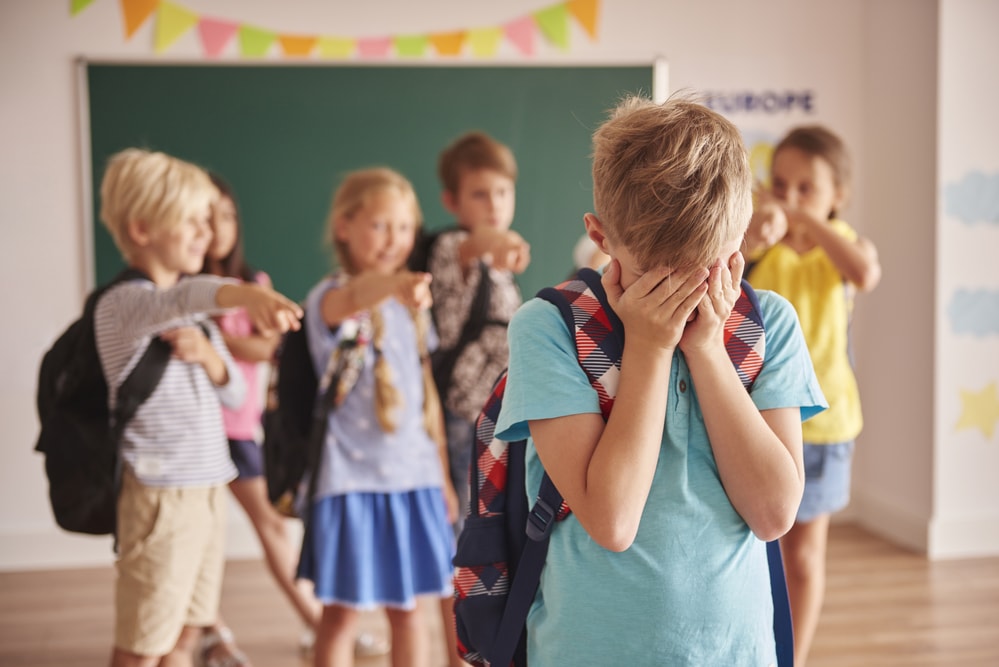
  • Support the Kids Involved

    Support the Kids Involved

    [vc_row type=”in_container” full_screen_row_position=”middle” scene_position=”center” text_color=”dark” text_align=”left” overlay_strength=”0.3″ shape_divider_position=”bottom” shape_type=””][vc_column column_padding=”no-extra-padding” column_padding_position=”all” background_color_opacity=”1″ background_hover_color_opacity=”1″ column_shadow=”none” column_border_radius=”none” width=”2/3″ tablet_text_alignment=”default” phone_text_alignment=”default” column_border_width=”none” column_border_style=”solid”][image_with_animation image_url=”360″ alignment=”” animation=”None” border_radius=”10px” box_shadow=”small_depth” max_width=”100%”][/vc_column][vc_column column_padding=”no-extra-padding” column_padding_position=”all” background_color_opacity=”1″ background_hover_color_opacity=”1″ column_shadow=”none” column_border_radius=”none” width=”1/3″ tablet_text_alignment=”default” phone_text_alignment=”default” column_border_width=”none” column_border_style=”solid”][/vc_column][/vc_row][vc_row type=”in_container” full_screen_row_position=”middle” scene_position=”center” text_color=”dark” text_align=”left” overlay_strength=”0.3″ shape_divider_position=”bottom” shape_type=””][vc_column column_padding=”no-extra-padding” column_padding_position=”all” background_color_opacity=”1″ background_hover_color_opacity=”1″ column_shadow=”none” column_border_radius=”none” width=”1/1″ tablet_text_alignment=”default” phone_text_alignment=”default” column_border_width=”none” column_border_style=”solid”][vc_column_text]Source: StopBullying.gov[/vc_column_text][/vc_column][/vc_row][vc_row type=”in_container” full_screen_row_position=”middle” scene_position=”center” text_color=”dark” text_align=”left” overlay_strength=”0.3″ shape_divider_position=”bottom”][vc_column column_padding=”no-extra-padding” column_padding_position=”all” background_color_opacity=”1″ background_hover_color_opacity=”1″ column_shadow=”none” column_border_radius=”none” width=”1/1″ tablet_text_alignment=”default” phone_text_alignment=”default” column_border_width=”none” column_border_style=”solid”][vc_column_text]

    Support the Kids Involved

    [/vc_column_text][divider line_type=”Full Width Line” line_thickness=”2″ divider_color=”extra-color-gradient-1″ custom_height=”40″][vc_column_text]All kids involved in bullying—whether they are bullied, bully others, or see bullying—can be affected. It is important to support all kids involved to make sure the bullying doesn’t continue and effects can be minimized.[/vc_column_text][divider line_type=”No Line” custom_height=”40″][vc_column_text]

    Support Kids Who are Bullied

    Listen and focus on the child. Learn what’s been going on and show you want to help.

    Assure the child that bullying is not their fault. 

    Know that kids who are bullied may struggle with talking about it. Consider referring them to a school counselor, psychologist, or other mental health service.

    Give advice about what to do. This may involve role-playing and thinking through how the child might react if the bullying occurs again.

    Work together to resolve the situation and protect the bullied child. The child, parents, and school or organization may all have valuable input. It may help to:

    • Ask the child being bullied what can be done to make him or her feel safe. Remember that changes to routine should be minimized. He or she is not at fault and should not be singled out. For example, consider rearranging classroom or bus seating plans for everyone. If bigger moves are necessary, such as switching classrooms or bus routes, the child who is bullied should not be forced to change.
    • Develop a game plan. Maintain open communication between schools, organizations, and parents. Discuss the steps that are taken and the limitations around what can be done based on policies and laws. Remember, the law does not allow school personnel to discuss discipline, consequences, or services given to other children.

    Be persistent. Bullying may not end overnight. Commit to making it stop and consistently support the bullied child.

    Avoid these mistakes:

    • Never tell the child to ignore the bullying.
    • Do not blame the child for being bullied. Even if he or she provoked the bullying, no one deserves to be bullied.
    • Do not tell the child to physically fight back against the kid who is bullying. It could get the child hurt, suspended, or expelled.
    • Parents should resist the urge to contact the other parents involved. It may make matters worse. School or other officials can act as mediators between parents.

    Follow-up. Show a commitment to making bullying stop. Because bullying is behavior that repeats or has the potential to be repeated, it takes consistent effort to ensure that it stops.[/vc_column_text][divider line_type=”No Line” custom_height=”40″][vc_column_text]

    Address Bullying Behavior

    Parents, school staff, and organizations all have a role to play.

    Make sure the child knows what the problem behavior is. Young people who bully must learn their behavior is wrong and harms others.

    Show kids that bullying is taken seriously. Calmly tell the child that bullying will not be tolerated. Model respectful behavior when addressing the problem.

    Work with the child to understand some of the reasons he or she bullied. For example:

    • Sometimes children bully to fit in. These kids can benefit from participating in positive activities. Involvement in sports and clubs can enable them to take leadership roles and make friends without feeling the need to bully.
    • Other times kids act out because something else—issues at home, abuse, stress—is going on in their lives. They also may have been bullied. These kids may be in need of additional support, such as mental health services.

    Use consequences to teach. Consequences that involve learning or building empathy can help prevent future bullying. School staff should remember to follow the guidelines in their student code of conductand other policies in developing consequences and assigning discipline. For example, the child who bullied can:

    • Lead a class discussion about how to be a good friend.
    • Write a story about the effects of bullying or benefits of teamwork.
    • Role-play a scenario or make a presentation about the importance of respecting others, the negative effects of gossip, or how to cooperate.
    • Do a project about civil rights and bullying.
    • Read a book about bullying.
    • Make posters for the school about cyberbullying and being smart online.

    Involve the kid who bullied in making amends or repairing the situation. The goal is to help them see how their actions affect others. For example, the child can:

    • Write a letter apologizing to the student who was bullied.
    • Do a good deed for the person who was bullied or for others in your community.
    • Clean up, repair, or pay for any property they damaged.

    Avoid strategies that don’t work or have negative consequences.

    • Zero tolerance or “three strikes, you’re out” strategies don’t work. Suspending or expelling students who bully does not reduce bullying behavior. Students and teachers may be less likely to report and address bullying if suspension or expulsion is the consequence.
    • Conflict resolution and peer mediation don’t work for bullying. Bullying is not a conflict between people of equal power who share equal blame. Facing those who have bullied may further upset kids who have been bullied.
    • Group treatment for students who bully doesn’t work. Group members tend to reinforce bullying behavior in each other.

    Follow-up. After the bullying issue is resolved, continue finding ways to help the child who bullied to understand how what they do affects other people. For example, praise acts of kindness or talk about what it means to be a good friend.[/vc_column_text][divider line_type=”No Line” custom_height=”40″][vc_column_text]

    Support Bystanders Who Witness Bullying

    Even if kids are not bullied or bullying others they can be affected by bullying. Many times, when they see bullying, they may not know what to do to stop it. They may not feel safe stepping in in the moment, but there are many other steps they can take.[/vc_column_text][/vc_column][/vc_row][vc_row type=”in_container” full_screen_row_position=”middle” scene_position=”center” text_color=”dark” text_align=”left” top_padding=”2%” overlay_strength=”0.3″ shape_divider_position=”bottom” shape_type=””][vc_column column_padding=”no-extra-padding” column_padding_position=”all” background_color_opacity=”1″ background_hover_color_opacity=”1″ column_shadow=”none” column_border_radius=”none” width=”1/1″ tablet_text_alignment=”default” phone_text_alignment=”default” column_border_width=”none” column_border_style=”solid”][vc_column_text]Source: StopBullying.gov[/vc_column_text][divider line_type=”No Line” custom_height=”35″][vc_column_text]Support the Kids Involved | Bullying Blogs | Bullying Resources | No Bullies Allowed Initiative | Anti Bullying | Bullying Prevention Association of America[/vc_column_text][/vc_column][/vc_row][vc_row type=”in_container” full_screen_row_position=”middle” scene_position=”center” text_color=”dark” text_align=”left” overlay_strength=”0.3″ shape_divider_position=”bottom” bg_image_animation=”none”][vc_column column_padding=”no-extra-padding” column_padding_position=”all” background_color_opacity=”1″ background_hover_color_opacity=”1″ column_link_target=”_self” column_shadow=”none” column_border_radius=”none” width=”1/1″ tablet_width_inherit=”default” tablet_text_alignment=”default” phone_text_alignment=”default” column_border_width=”none” column_border_style=”solid” bg_image_animation=”none”][vc_raw_js]JTNDc2NyaXB0JTIwZGF0YS1vaW8tem9uZSUzRCUyMnR5cGUlM0RiYW5uZXIlMjZ6b25lJTNEMSUyNmFsaWduJTNEY2VudGVyJTI2cmVmcmVzaCUzRDAlMjIlM0UlMEElMjhmdW5jdGlvbiUyOHclMkNkJTJDZSUyQ28lMkN1JTJDcyUyQ3QlMjklN0J3JTVCbyU1RCU3QyU3QyUyOHclNUJvJTVEJTNEJTdCJTdEJTJDcyUzRGQuY3JlYXRlRWxlbWVudCUyOGUlMjklMkNzLnNyYyUzRHUlMkNzLmFzeW5jJTNEMSUyQyUwQXQlM0RkLmdldEVsZW1lbnRzQnlUYWdOYW1lJTI4ZSUyOSU1QjAlNUQlMkN0LnBhcmVudE5vZGUuaW5zZXJ0QmVmb3JlJTI4cyUyQ3QlMjklMjklN0QlMjklMjh3aW5kb3clMkNkb2N1bWVudCUyQyUwQSUyMnNjcmlwdCUyMiUyQyUyMm9pb3B1YiUyMiUyQyUyMmh0dHBzJTNBJTJGJTJGbm9idWxsaWVzYWxsb3dlZC5vcmclMkZ3cC1jb250ZW50JTJGcGx1Z2lucyUyRm9pb3B1Yi1kaXJlY3QlMkZ6b25lcy5qcyUyMiUyOSUzQiUwQSUzQyUyRnNjcmlwdCUzRQ==[/vc_raw_js][/vc_column][/vc_row]


  • Find Out What Happened

    Find Out What Happened

    [vc_row type=”in_container” full_screen_row_position=”middle” scene_position=”center” text_color=”dark” text_align=”left” top_padding=”2%” overlay_strength=”0.3″ shape_divider_position=”bottom” shape_type=””][vc_column column_padding=”no-extra-padding” column_padding_position=”all” background_color_opacity=”1″ background_hover_color_opacity=”1″ column_shadow=”none” column_border_radius=”none” width=”2/3″ tablet_text_alignment=”default” phone_text_alignment=”default” column_border_width=”none” column_border_style=”solid”][image_with_animation image_url=”362″ alignment=”” animation=”None” border_radius=”10px” box_shadow=”small_depth” max_width=”100%”][/vc_column][vc_column column_padding=”no-extra-padding” column_padding_position=”all” background_color_opacity=”1″ background_hover_color_opacity=”1″ column_shadow=”none” column_border_radius=”none” width=”1/3″ tablet_text_alignment=”default” phone_text_alignment=”default” column_border_width=”none” column_border_style=”solid”][/vc_column][/vc_row][vc_row type=”in_container” full_screen_row_position=”middle” scene_position=”center” text_color=”dark” text_align=”left” top_padding=”2%” overlay_strength=”0.3″ shape_divider_position=”bottom” shape_type=””][vc_column column_padding=”no-extra-padding” column_padding_position=”all” background_color_opacity=”1″ background_hover_color_opacity=”1″ column_shadow=”none” column_border_radius=”none” width=”1/1″ tablet_text_alignment=”default” phone_text_alignment=”default” column_border_width=”none” column_border_style=”solid”][vc_column_text]Source: StopBullying.gov[/vc_column_text][/vc_column][/vc_row][vc_row type=”in_container” full_screen_row_position=”middle” scene_position=”center” text_color=”dark” text_align=”left” overlay_strength=”0.3″ shape_divider_position=”bottom”][vc_column column_padding=”no-extra-padding” column_padding_position=”all” background_color_opacity=”1″ background_hover_color_opacity=”1″ column_shadow=”none” column_border_radius=”none” width=”1/1″ tablet_text_alignment=”default” phone_text_alignment=”default” column_border_width=”none” column_border_style=”solid”][vc_column_text]

    Find Out What Happened

    [/vc_column_text][divider line_type=”Full Width Line” line_thickness=”2″ divider_color=”extra-color-gradient-1″ custom_height=”40″][vc_column_text]Whether you’ve just stopped bullying on the spot or a child has reached out to you for help, follow the steps below to determine the best way to proceed.[/vc_column_text][divider line_type=”No Line” custom_height=”40″][vc_column_text]

    Get the Facts

    • Keep all the involved children separate.
    • Get the story from several sources, both adults and kids.
    • Listen without blaming.
    • Don’t call the act “bullying” while you are trying to understand what happened.

    It may be difficult to get the whole story, especially if multiple students are involved or the bullying involves social bullying or cyberbullying. Collect all available information.[/vc_column_text][divider line_type=”No Line” custom_height=”40″][vc_column_text]

    Determine if it’s Bullying

    There are many behaviors that look like bullying but require different approaches. It is important to determine whether the situation is bullying or something else.

    Review the definition of bullying. State law and school policy may have additional guidelines for defining bullying behavior.
    To determine if this is bullying or something else, consider the following questions:

    • What is the history between the kids involved? Have there been past conflicts?
    • Is there a power imbalance? Remember that a power imbalance is not limited to physical strength. It is sometimes not easily recognized. If the targeted child feels like there is a power imbalance, there probably is.
    • Has this happened before? Is the child worried it will happen again?
    • Have the kids dated? There are special responses for teen dating violence.
    • Are any of the kids involved with a gang? Gang violence has different interventions.

    Remember that it may not matter “who started it.” Some kids who are bullied may be seen as annoying or provoking, but this does not excuse the bullying behavior.

    Once you have determined if the situation is bullying, support the kids involved.[/vc_column_text][/vc_column][/vc_row][vc_row type=”in_container” full_screen_row_position=”middle” scene_position=”center” text_color=”dark” text_align=”left” top_padding=”2%” overlay_strength=”0.3″ shape_divider_position=”bottom” shape_type=””][vc_column column_padding=”no-extra-padding” column_padding_position=”all” background_color_opacity=”1″ background_hover_color_opacity=”1″ column_shadow=”none” column_border_radius=”none” width=”1/1″ tablet_text_alignment=”default” phone_text_alignment=”default” column_border_width=”none” column_border_style=”solid”][vc_column_text]Source: StopBullying.gov[/vc_column_text][divider line_type=”No Line” custom_height=”35″][vc_column_text]Find Out What Happened | Bullying Blogs | Bullying Resources | No Bullies Allowed Initiative | Anti Bullying | Bullying Prevention Association of America[/vc_column_text][/vc_column][/vc_row][vc_row type=”in_container” full_screen_row_position=”middle” scene_position=”center” text_color=”dark” text_align=”left” overlay_strength=”0.3″ shape_divider_position=”bottom” bg_image_animation=”none”][vc_column column_padding=”no-extra-padding” column_padding_position=”all” background_color_opacity=”1″ background_hover_color_opacity=”1″ column_link_target=”_self” column_shadow=”none” column_border_radius=”none” width=”1/1″ tablet_width_inherit=”default” tablet_text_alignment=”default” phone_text_alignment=”default” column_border_width=”none” column_border_style=”solid” bg_image_animation=”none”][vc_raw_js]JTNDc2NyaXB0JTIwZGF0YS1vaW8tem9uZSUzRCUyMnR5cGUlM0RiYW5uZXIlMjZ6b25lJTNEMSUyNmFsaWduJTNEY2VudGVyJTI2cmVmcmVzaCUzRDAlMjIlM0UlMEElMjhmdW5jdGlvbiUyOHclMkNkJTJDZSUyQ28lMkN1JTJDcyUyQ3QlMjklN0J3JTVCbyU1RCU3QyU3QyUyOHclNUJvJTVEJTNEJTdCJTdEJTJDcyUzRGQuY3JlYXRlRWxlbWVudCUyOGUlMjklMkNzLnNyYyUzRHUlMkNzLmFzeW5jJTNEMSUyQyUwQXQlM0RkLmdldEVsZW1lbnRzQnlUYWdOYW1lJTI4ZSUyOSU1QjAlNUQlMkN0LnBhcmVudE5vZGUuaW5zZXJ0QmVmb3JlJTI4cyUyQ3QlMjklMjklN0QlMjklMjh3aW5kb3clMkNkb2N1bWVudCUyQyUwQSUyMnNjcmlwdCUyMiUyQyUyMm9pb3B1YiUyMiUyQyUyMmh0dHBzJTNBJTJGJTJGbm9idWxsaWVzYWxsb3dlZC5vcmclMkZ3cC1jb250ZW50JTJGcGx1Z2lucyUyRm9pb3B1Yi1kaXJlY3QlMkZ6b25lcy5qcyUyMiUyOSUzQiUwQSUzQyUyRnNjcmlwdCUzRQ==[/vc_raw_js][/vc_column][/vc_row]

  • Respond to Bullying

    Respond to Bullying

    [vc_row type=”in_container” full_screen_row_position=”middle” scene_position=”center” text_color=”dark” text_align=”left” overlay_strength=”0.3″ shape_divider_position=”bottom”][vc_column column_padding=”no-extra-padding” column_padding_position=”all” background_color_opacity=”1″ background_hover_color_opacity=”1″ column_shadow=”none” column_border_radius=”none” width=”1/1″ tablet_text_alignment=”default” phone_text_alignment=”default” column_border_width=”none” column_border_style=”solid”][vc_column_text]

    Respond to Bullying

    [/vc_column_text][divider line_type=”Full Width Line” line_thickness=”2″ divider_color=”extra-color-gradient-1″ custom_height=”40″][vc_column_text]When adults respond quickly and consistently to bullying behavior they send the message that it is not acceptable. Research shows this can stop bullying behavior over time. There are simple steps adults can take to stop bullying on the spot and keep kids safe.[/vc_column_text][divider line_type=”No Line” custom_height=”40″][vc_column_text]

    Do:

    • Intervene immediately. It is ok to get another adult to help.
    • Separate the kids involved.
    • Make sure everyone is safe.
    • Meet any immediate medical or mental health needs.
    • Stay calm. Reassure the kids involved, including bystanders.
    • Model respectful behavior when you intervene.

    Avoid these common mistakes:

    • Don’t ignore it. Don’t think kids can work it out without adult help.
    • Don’t immediately try to sort out the facts.
    • Don’t force other kids to say publicly what they saw.
    • Don’t question the children involved in front of other kids.
    • Don’t talk to the kids involved together, only separately.
    • Don’t make the kids involved apologize or patch up relations on the spot.

    Get police help or medical attention immediately if:

    • A weapon is involved.
    • There are threats of serious physical injury.
    • There are threats of hate-motivated violence, such as racism or homophobia.
    • There is serious bodily harm.
    • There is sexual abuse.
    • Anyone is accused of an illegal act, such as robbery or extortion—using force to get money, property, or services.

    [/vc_column_text][/vc_column][/vc_row][vc_row type=”in_container” full_screen_row_position=”middle” scene_position=”center” text_color=”dark” text_align=”left” top_padding=”2%” overlay_strength=”0.3″ shape_divider_position=”bottom” shape_type=””][vc_column column_padding=”no-extra-padding” column_padding_position=”all” background_color_opacity=”1″ background_hover_color_opacity=”1″ column_shadow=”none” column_border_radius=”none” width=”1/1″ tablet_text_alignment=”default” phone_text_alignment=”default” column_border_width=”none” column_border_style=”solid”][vc_column_text]Source: StopBullying.gov[/vc_column_text][divider line_type=”No Line” custom_height=”35″][vc_column_text]Respond to Bullying | Bullying Blogs | Bullying Resources | No Bullies Allowed Initiative | Anti Bullying | Bullying Prevention Association of America[/vc_column_text][/vc_column][/vc_row][vc_row type=”in_container” full_screen_row_position=”middle” scene_position=”center” text_color=”dark” text_align=”left” overlay_strength=”0.3″ shape_divider_position=”bottom” bg_image_animation=”none”][vc_column column_padding=”no-extra-padding” column_padding_position=”all” background_color_opacity=”1″ background_hover_color_opacity=”1″ column_link_target=”_self” column_shadow=”none” column_border_radius=”none” width=”1/1″ tablet_width_inherit=”default” tablet_text_alignment=”default” phone_text_alignment=”default” column_border_width=”none” column_border_style=”solid” bg_image_animation=”none”][vc_raw_js]JTNDc2NyaXB0JTIwZGF0YS1vaW8tem9uZSUzRCUyMnR5cGUlM0RiYW5uZXIlMjZ6b25lJTNEMSUyNmFsaWduJTNEY2VudGVyJTI2cmVmcmVzaCUzRDAlMjIlM0UlMEElMjhmdW5jdGlvbiUyOHclMkNkJTJDZSUyQ28lMkN1JTJDcyUyQ3QlMjklN0J3JTVCbyU1RCU3QyU3QyUyOHclNUJvJTVEJTNEJTdCJTdEJTJDcyUzRGQuY3JlYXRlRWxlbWVudCUyOGUlMjklMkNzLnNyYyUzRHUlMkNzLmFzeW5jJTNEMSUyQyUwQXQlM0RkLmdldEVsZW1lbnRzQnlUYWdOYW1lJTI4ZSUyOSU1QjAlNUQlMkN0LnBhcmVudE5vZGUuaW5zZXJ0QmVmb3JlJTI4cyUyQ3QlMjklMjklN0QlMjklMjh3aW5kb3clMkNkb2N1bWVudCUyQyUwQSUyMnNjcmlwdCUyMiUyQyUyMm9pb3B1YiUyMiUyQyUyMmh0dHBzJTNBJTJGJTJGbm9idWxsaWVzYWxsb3dlZC5vcmclMkZ3cC1jb250ZW50JTJGcGx1Z2lucyUyRm9pb3B1Yi1kaXJlY3QlMkZ6b25lcy5qcyUyMiUyOSUzQiUwQSUzQyUyRnNjcmlwdCUzRQ==[/vc_raw_js][/vc_column][/vc_row]

  • Working in the Community

    Working in the Community

    [vc_row type=”in_container” full_screen_row_position=”middle” scene_position=”center” text_color=”dark” text_align=”left” top_padding=”2%” overlay_strength=”0.3″ shape_divider_position=”bottom” shape_type=””][vc_column column_padding=”no-extra-padding” column_padding_position=”all” background_color_opacity=”1″ background_hover_color_opacity=”1″ column_shadow=”none” column_border_radius=”none” width=”2/3″ tablet_text_alignment=”default” phone_text_alignment=”default” column_border_width=”none” column_border_style=”solid”][image_with_animation image_url=”366″ alignment=”” animation=”None” border_radius=”10px” box_shadow=”small_depth” max_width=”100%”][/vc_column][vc_column column_padding=”no-extra-padding” column_padding_position=”all” background_color_opacity=”1″ background_hover_color_opacity=”1″ column_shadow=”none” column_border_radius=”none” width=”1/3″ tablet_text_alignment=”default” phone_text_alignment=”default” column_border_width=”none” column_border_style=”solid”][/vc_column][/vc_row][vc_row type=”in_container” full_screen_row_position=”middle” scene_position=”center” text_color=”dark” text_align=”left” top_padding=”2%” overlay_strength=”0.3″ shape_divider_position=”bottom” shape_type=””][vc_column column_padding=”no-extra-padding” column_padding_position=”all” background_color_opacity=”1″ background_hover_color_opacity=”1″ column_shadow=”none” column_border_radius=”none” width=”1/1″ tablet_text_alignment=”default” phone_text_alignment=”default” column_border_width=”none” column_border_style=”solid”][vc_column_text]Source: StopBullying.gov[/vc_column_text][/vc_column][/vc_row][vc_row type=”in_container” full_screen_row_position=”middle” scene_position=”center” text_color=”dark” text_align=”left” overlay_strength=”0.3″ shape_divider_position=”bottom”][vc_column column_padding=”no-extra-padding” column_padding_position=”all” background_color_opacity=”1″ background_hover_color_opacity=”1″ column_shadow=”none” column_border_radius=”none” width=”1/1″ tablet_text_alignment=”default” phone_text_alignment=”default” column_border_width=”none” column_border_style=”solid”][vc_column_text]

    Working in the Community

    [/vc_column_text][divider line_type=”Full Width Line” line_thickness=”2″ divider_color=”extra-color-gradient-1″ custom_height=”40″][vc_column_text]Bullying can be prevented, especially when the power of a community is brought together. Community-wide strategies can help identify and support children who are bullied, redirect the behavior of children who bully, and change the attitudes of adults and youth who tolerate bullying behaviors in peer groups, schools, and communities. [/vc_column_text][divider line_type=”No Line” custom_height=”40″][vc_column_text]

    The Benefits of Working Together

    Bullying doesn’t happen only at school. Community members can use their unique strengths and skills to prevent bullying wherever it occurs. For example, youth sports groups may train coaches to prevent bullying. Local businesses may make t-shirts with bullying prevention slogans for an event. After-care staff may read books about bullying to kids and discuss them. Hearing anti-bullying messages from the different adults in their lives can reinforce the message for kids that bullying is unacceptable.[/vc_column_text][divider line_type=”No Line” custom_height=”40″][vc_column_text]

    Potential Partners

    Involve anyone who wants to learn about bullying and reduce its impact in the community. Consider involving businesses, local associations, adults who work directly with kids, parents, and youth.

    • Identify partners such as mental health specialists, law enforcement officers, neighborhood associations, service groups, faith-based organizations, and businesses.
    • Learn what types of bullying community members see and discuss developing targeted solutions.
    • Involve youth. Teens can take leadership roles in bullying prevention among younger kids.

    [/vc_column_text][divider line_type=”No Line” custom_height=”40″][vc_column_text]

    Community Strategies

    Study community strengths and needs:

    • Ask: Who is most affected? Where? What kinds of bullying happen most? How do kids and adults react? What is already being done in our local area to help?
    • Think about using opinion surveys, interviews, and focus groups to answer these questions. Learn how schools assess bullying.
    • Consider open forums like group discussions with community leaders, businesses, parent groups, and churches.

    Develop a comprehensive community strategy:

    • Review what you learned from your community study to develop a common understanding of the problem.
    • Establish a shared vision about bullying in the community, its impact, and how to stop it.
    • Identify audiences to target and tailor messages as appropriate.
    • Describe what each partner will do to help prevent and respond to bullying.
    • Advocate for bullying prevention policies in schools and throughout the community.
    • Raise awareness about your message. Develop and distribute print materials. Encourage local radio, TV, newspapers, and websites to give public service announcements prime space. Introduce bullying prevention to groups that work with kids.
    • Track your progress over time. Evaluate to ensure you are refining your approach based on solid data, not anecdotes.

    [/vc_column_text][divider line_type=”No Line” custom_height=”40″][vc_column_text]

    Additional Resources

    [/vc_column_text][/vc_column][/vc_row][vc_row type=”in_container” full_screen_row_position=”middle” scene_position=”center” text_color=”dark” text_align=”left” top_padding=”2%” overlay_strength=”0.3″ shape_divider_position=”bottom” shape_type=””][vc_column column_padding=”no-extra-padding” column_padding_position=”all” background_color_opacity=”1″ background_hover_color_opacity=”1″ column_shadow=”none” column_border_radius=”none” width=”1/1″ tablet_text_alignment=”default” phone_text_alignment=”default” column_border_width=”none” column_border_style=”solid”][vc_column_text]Source: StopBullying.gov[/vc_column_text][divider line_type=”No Line” custom_height=”35″][vc_column_text]Working in the Community | Bullying Blogs | Bullying Resources | No Bullies Allowed Initiative | Anti Bullying | Bullying Prevention Association of America[/vc_column_text][/vc_column][/vc_row][vc_row type=”in_container” full_screen_row_position=”middle” scene_position=”center” text_color=”dark” text_align=”left” overlay_strength=”0.3″ shape_divider_position=”bottom” bg_image_animation=”none”][vc_column column_padding=”no-extra-padding” column_padding_position=”all” background_color_opacity=”1″ background_hover_color_opacity=”1″ column_link_target=”_self” column_shadow=”none” column_border_radius=”none” width=”1/1″ tablet_width_inherit=”default” tablet_text_alignment=”default” phone_text_alignment=”default” column_border_width=”none” column_border_style=”solid” bg_image_animation=”none”][vc_raw_js]JTNDc2NyaXB0JTIwZGF0YS1vaW8tem9uZSUzRCUyMnR5cGUlM0RiYW5uZXIlMjZ6b25lJTNEMSUyNmFsaWduJTNEY2VudGVyJTI2cmVmcmVzaCUzRDAlMjIlM0UlMEElMjhmdW5jdGlvbiUyOHclMkNkJTJDZSUyQ28lMkN1JTJDcyUyQ3QlMjklN0J3JTVCbyU1RCU3QyU3QyUyOHclNUJvJTVEJTNEJTdCJTdEJTJDcyUzRGQuY3JlYXRlRWxlbWVudCUyOGUlMjklMkNzLnNyYyUzRHUlMkNzLmFzeW5jJTNEMSUyQyUwQXQlM0RkLmdldEVsZW1lbnRzQnlUYWdOYW1lJTI4ZSUyOSU1QjAlNUQlMkN0LnBhcmVudE5vZGUuaW5zZXJ0QmVmb3JlJTI4cyUyQ3QlMjklMjklN0QlMjklMjh3aW5kb3clMkNkb2N1bWVudCUyQyUwQSUyMnNjcmlwdCUyMiUyQyUyMm9pb3B1YiUyMiUyQyUyMmh0dHBzJTNBJTJGJTJGbm9idWxsaWVzYWxsb3dlZC5vcmclMkZ3cC1jb250ZW50JTJGcGx1Z2lucyUyRm9pb3B1Yi1kaXJlY3QlMkZ6b25lcy5qcyUyMiUyOSUzQiUwQSUzQyUyRnNjcmlwdCUzRQ==[/vc_raw_js][/vc_column][/vc_row]
  • Build a Safe Environment

    Build a Safe Environment

    [vc_row type=”in_container” full_screen_row_position=”middle” scene_position=”center” text_color=”dark” text_align=”left” overlay_strength=”0.3″ shape_divider_position=”bottom” shape_type=””][vc_column column_padding=”no-extra-padding” column_padding_position=”all” background_color_opacity=”1″ background_hover_color_opacity=”1″ column_shadow=”none” column_border_radius=”none” width=”2/3″ tablet_text_alignment=”default” phone_text_alignment=”default” column_border_width=”none” column_border_style=”solid”][image_with_animation image_url=”368″ alignment=”” animation=”None” border_radius=”10px” box_shadow=”small_depth” max_width=”100%”][/vc_column][vc_column column_padding=”no-extra-padding” column_padding_position=”all” background_color_opacity=”1″ background_hover_color_opacity=”1″ column_shadow=”none” column_border_radius=”none” width=”1/3″ tablet_text_alignment=”default” phone_text_alignment=”default” column_border_width=”none” column_border_style=”solid”][/vc_column][/vc_row][vc_row type=”in_container” full_screen_row_position=”middle” scene_position=”center” text_color=”dark” text_align=”left” top_padding=”2%” overlay_strength=”0.3″ shape_divider_position=”bottom” shape_type=””][vc_column column_padding=”no-extra-padding” column_padding_position=”all” background_color_opacity=”1″ background_hover_color_opacity=”1″ column_shadow=”none” column_border_radius=”none” width=”1/1″ tablet_text_alignment=”default” phone_text_alignment=”default” column_border_width=”none” column_border_style=”solid”][vc_column_text]Source: StopBullying.gov[/vc_column_text][/vc_column][/vc_row][vc_row type=”in_container” full_screen_row_position=”middle” scene_position=”center” text_color=”dark” text_align=”left” overlay_strength=”0.3″ shape_divider_position=”bottom”][vc_column column_padding=”no-extra-padding” column_padding_position=”all” background_color_opacity=”1″ background_hover_color_opacity=”1″ column_shadow=”none” column_border_radius=”none” width=”1/1″ tablet_text_alignment=”default” phone_text_alignment=”default” column_border_width=”none” column_border_style=”solid”][vc_column_text]

    Build a Safe Environment

    [/vc_column_text][divider line_type=”Full Width Line” line_thickness=”2″ divider_color=”extra-color-gradient-1″ custom_height=”40″][vc_column_text]A safe and supportive school climate can help prevent bullying. Safety starts in the classroom. Students should also feel and be safe everywhere on campus—in the cafeteria, in the library, in the rest rooms, on the bus, and on the playground. Everyone at school can work together to create a climate where bullying is not acceptable.[/vc_column_text][divider line_type=”No Line” custom_height=”40″][vc_column_text]

    Create a Safe and Supportive Environment

    In general, schools can:

    • Establish a culture of inclusion and respect that welcomes all students. Reward students when they show thoughtfulness and respect for peers, adults, and the school. The Positive Behavioral Interventions and Supports Technical Assistance Center  can help.
    • Make sure students interact safely. Monitor bullying “hot spots” in and around the building. Students may be at higher risk of bullying in settings where there is little or no adult monitoring or supervision, such as bathrooms, playgrounds, and the cafeteria.
    • Enlist the help of all school staff. All staff can keep an eye out for bullying. They also help set the tone at school. Teachers, bus drivers, cafeteria staff, office staff, librarians, school nurses, and others see and influence students every day. Messages reach kids best when they come from many different adults who talk about and show respect and inclusion. Train school staff to prevent bullying.
    • Set a tone of respect in the classroom. This means managing student behavior in the classroom well. Well-managed classrooms are the least likely to have bullying.

    [/vc_column_text][divider line_type=”No Line” custom_height=”40″][vc_column_text]

    Manage Classrooms to Prevent Bullying

    Teachers can consider these ways to promote the respect, positive relations, and order that helps prevent bullying in the classroom:

    • Create ground rules.
      • Develop rules with students so they set their own climate of respect and responsibility.
      • Use positive terms, like what to do, rather than what not to do.
      • Support school-wide rules.
    • Reinforce the rules.
      • Be a role model and follow the rules yourself. Show students respect and encourage them to be successful.
      • Make expectations clear. Keep your requests simple, direct, and specific.
      • Reward good behavior. Try to affirm good behavior four to five times for every one criticism of bad behavior.
      • Use one-on-one feedback, and do not publicly reprimand.
      • Help students correct their behaviors. Help them understand violating the rules results in consequences: “I know you can stop [negative action] and go back to [positive action]. If you choose to continue, then [consequence].”

    [/vc_column_text][divider line_type=”No Line” custom_height=”40″][vc_column_text]

    Classroom Meetings

    Classroom meetings provide a forum for students to talk about school-related issues beyond academics. These meetings can help teachers stay informed about what is going on at school and help students feel safe and supported.

    These meetings work best in classrooms where a culture of respect is already established. Classroom meetings are typically short and held on a regular schedule. They can be held in a student’s main classroom, home room, or advisory period.

    • Establish ground rules. Kids should feel free to discuss issues without fear. Classroom meetings are not a time to discuss individual conflicts or gossip about others. Reinforce existing classroom rules.
    • Start the conversation. Focus on specific topics, such as bullying or respectful behaviors. Meetings can identify and address problems affecting the group as a whole. Stories should be broad and lead to solutions that build trust and respect between students. Use open-ended questions or prompts such as:
      • Share an example of a student who helped someone at school this week.
      • Without names, share an example of someone who made another student feel bad.
      • What did students nearby do? What did you do? Did you want to do something different—why or why not?
      • If you could describe the perfect response to the situation what would it be? How hard or easy would it be to do? Why?
      • How can adults help?
    • End the meeting with a reminder that it is everyone’s job to make school a positive place to learn. Encourage kids to talk to teachers or other trusted adults if they see bullying or are worried about how someone is being treated.
    • Follow-up when necessary. Monitor student body language and reactions. If a topic seems to be affecting a student, follow-up with him or her. Know what resources are available to support students affected by bullying.

    [/vc_column_text][/vc_column][/vc_row][vc_row type=”in_container” full_screen_row_position=”middle” scene_position=”center” text_color=”dark” text_align=”left” top_padding=”2%” overlay_strength=”0.3″ shape_divider_position=”bottom” shape_type=””][vc_column column_padding=”no-extra-padding” column_padding_position=”all” background_color_opacity=”1″ background_hover_color_opacity=”1″ column_shadow=”none” column_border_radius=”none” width=”1/1″ tablet_text_alignment=”default” phone_text_alignment=”default” column_border_width=”none” column_border_style=”solid”][vc_column_text]Source: StopBullying.gov[/vc_column_text][divider line_type=”No Line” custom_height=”35″][vc_column_text]Build a Safe Environment | Bullying Blogs | Bullying Resources | No Bullies Allowed Initiative | Anti Bullying | Bullying Prevention Association of America[/vc_column_text][/vc_column][/vc_row][vc_row type=”in_container” full_screen_row_position=”middle” scene_position=”center” text_color=”dark” text_align=”left” overlay_strength=”0.3″ shape_divider_position=”bottom” bg_image_animation=”none”][vc_column column_padding=”no-extra-padding” column_padding_position=”all” background_color_opacity=”1″ background_hover_color_opacity=”1″ column_link_target=”_self” column_shadow=”none” column_border_radius=”none” width=”1/1″ tablet_width_inherit=”default” tablet_text_alignment=”default” phone_text_alignment=”default” column_border_width=”none” column_border_style=”solid” bg_image_animation=”none”][vc_raw_js]JTNDc2NyaXB0JTIwZGF0YS1vaW8tem9uZSUzRCUyMnR5cGUlM0RiYW5uZXIlMjZ6b25lJTNEMSUyNmFsaWduJTNEY2VudGVyJTI2cmVmcmVzaCUzRDAlMjIlM0UlMEElMjhmdW5jdGlvbiUyOHclMkNkJTJDZSUyQ28lMkN1JTJDcyUyQ3QlMjklN0J3JTVCbyU1RCU3QyU3QyUyOHclNUJvJTVEJTNEJTdCJTdEJTJDcyUzRGQuY3JlYXRlRWxlbWVudCUyOGUlMjklMkNzLnNyYyUzRHUlMkNzLmFzeW5jJTNEMSUyQyUwQXQlM0RkLmdldEVsZW1lbnRzQnlUYWdOYW1lJTI4ZSUyOSU1QjAlNUQlMkN0LnBhcmVudE5vZGUuaW5zZXJ0QmVmb3JlJTI4cyUyQ3QlMjklMjklN0QlMjklMjh3aW5kb3clMkNkb2N1bWVudCUyQyUwQSUyMnNjcmlwdCUyMiUyQyUyMm9pb3B1YiUyMiUyQyUyMmh0dHBzJTNBJTJGJTJGbm9idWxsaWVzYWxsb3dlZC5vcmclMkZ3cC1jb250ZW50JTJGcGx1Z2lucyUyRm9pb3B1Yi1kaXJlY3QlMkZ6b25lcy5qcyUyMiUyOSUzQiUwQSUzQyUyRnNjcmlwdCUzRQ==[/vc_raw_js][/vc_column][/vc_row]

  • Set Policies & Rules

    Set Policies & Rules

    [vc_row type=”in_container” full_screen_row_position=”middle” scene_position=”center” text_color=”dark” text_align=”left” overlay_strength=”0.3″ shape_divider_position=”bottom” shape_type=””][vc_column column_padding=”no-extra-padding” column_padding_position=”all” background_color_opacity=”1″ background_hover_color_opacity=”1″ column_shadow=”none” column_border_radius=”none” width=”2/3″ tablet_text_alignment=”default” phone_text_alignment=”default” column_border_width=”none” column_border_style=”solid”][image_with_animation image_url=”370″ alignment=”” animation=”None” border_radius=”10px” box_shadow=”small_depth” max_width=”100%”][/vc_column][vc_column column_padding=”no-extra-padding” column_padding_position=”all” background_color_opacity=”1″ background_hover_color_opacity=”1″ column_shadow=”none” column_border_radius=”none” width=”1/3″ tablet_text_alignment=”default” phone_text_alignment=”default” column_border_width=”none” column_border_style=”solid”][/vc_column][/vc_row][vc_row type=”in_container” full_screen_row_position=”middle” scene_position=”center” text_color=”dark” text_align=”left” top_padding=”2%” overlay_strength=”0.3″ shape_divider_position=”bottom” shape_type=””][vc_column column_padding=”no-extra-padding” column_padding_position=”all” background_color_opacity=”1″ background_hover_color_opacity=”1″ column_shadow=”none” column_border_radius=”none” width=”1/1″ tablet_text_alignment=”default” phone_text_alignment=”default” column_border_width=”none” column_border_style=”solid”][vc_column_text]Source: StopBullying.gov[/vc_column_text][/vc_column][/vc_row][vc_row type=”in_container” full_screen_row_position=”middle” scene_position=”center” text_color=”dark” text_align=”left” overlay_strength=”0.3″ shape_divider_position=”bottom”][vc_column column_padding=”no-extra-padding” column_padding_position=”all” background_color_opacity=”1″ background_hover_color_opacity=”1″ column_shadow=”none” column_border_radius=”none” width=”1/1″ tablet_text_alignment=”default” phone_text_alignment=”default” column_border_width=”none” column_border_style=”solid”][vc_column_text]

    Set Policies & Rules

    [/vc_column_text][divider line_type=”Full Width Line” line_thickness=”2″ divider_color=”extra-color-gradient-1″ custom_height=”40″][vc_column_text]School staff can help prevent bullying by establishing and enforcing school rules and policies that clearly describe how students are expected to treat each other. Consequences for violations of the rules should be clearly defined as well. [/vc_column_text][divider line_type=”No Line” custom_height=”40″][vc_column_text]

    Types of Rules and Policies

    There are several types of policies and rules that work to prevent bullying. Each serves a different purpose. For example:

    • A school mission statement establishes the vision for the school. Everyone should know how they personally help the school achieve this shared goal.
      • Sample Mission Statement
        [Name of School] is committed to each student’s success in learning within a caring, responsive, and safe environment that is free of discrimination, violence, and bullying. Our school works to ensure that all students have the opportunity and support to develop to their fullest potential and share a personal and meaningful bond with people in the school community.
    • A code of conduct describes the positive behaviors expected of the school community. The code of conduct applies to all, sets standards for behavior, and covers a focused set of expected positive behaviors. State laws sometimes specify what must be included in a school’s code of conduct.
    • A student bill of rights includes positive things students can expect at school. Keep it short and easy to remember, so it is useful in day-to-day school life.
      • Sample Student Bill of Rights
        Each student at [school] has a right to:
    • Learn in a safe and friendly place
    • Be treated with respect
    • Receive the help and support of caring adults

    [/vc_column_text][divider line_type=”No Line” custom_height=”40″][vc_column_text]

    Integrating Rules and Policies into a School’s Culture

    As you develop or update school rules and policies, have a plan for keeping them relevant and meaningful for students and school staff.

    • Make sure school rules and policies are consistent with state laws and the school district rules and policies.
    • Include school staff, parents, and students when developing rules and policies. Giving students a role can help them set their own climate of respect and responsibility. Parental involvement can reinforce these messages at home.
    • Train school staff on enforcing school rules and policies. Give them the tools to respond to bullying consistently and appropriately.
    • Incorporate rules and policies in day-to-day school interactions. Teachers and students can discuss the rules in class. Students can hold each other accountable. The principal can give an annual “state of the school” speech that reports on the mission.

    [/vc_column_text][divider line_type=”No Line” custom_height=”40″][vc_column_text]

    Establish a Reporting System

    chools can establish clear procedures for reporting rule violations so that reasonable consequences can be given to students when rules are broken. Reporting systems help track individual incidents and responses as well as trends over time.

    Some tips for establishing a reporting system:

    • Make it easy. People are more likely to report when it’s easy to do.
    • Maintain reports in a way that shows emerging problems and patterns over time.
    • Keep reports confidential and private. School staff and students should be encouraged to report violations without fear of retaliation.

    [/vc_column_text][/vc_column][/vc_row][vc_row type=”in_container” full_screen_row_position=”middle” scene_position=”center” text_color=”dark” text_align=”left” top_padding=”2%” overlay_strength=”0.3″ shape_divider_position=”bottom” shape_type=””][vc_column column_padding=”no-extra-padding” column_padding_position=”all” background_color_opacity=”1″ background_hover_color_opacity=”1″ column_shadow=”none” column_border_radius=”none” width=”1/1″ tablet_text_alignment=”default” phone_text_alignment=”default” column_border_width=”none” column_border_style=”solid”][vc_column_text]Source: StopBullying.gov[/vc_column_text][divider line_type=”No Line” custom_height=”35″][vc_column_text]Set Policies & Rules | Bullying Blogs | Bullying Resources | No Bullies Allowed Initiative | Anti Bullying | Bullying Prevention Association of America[/vc_column_text][/vc_column][/vc_row][vc_row type=”in_container” full_screen_row_position=”middle” scene_position=”center” text_color=”dark” text_align=”left” overlay_strength=”0.3″ shape_divider_position=”bottom” bg_image_animation=”none”][vc_column column_padding=”no-extra-padding” column_padding_position=”all” background_color_opacity=”1″ background_hover_color_opacity=”1″ column_link_target=”_self” column_shadow=”none” column_border_radius=”none” width=”1/1″ tablet_width_inherit=”default” tablet_text_alignment=”default” phone_text_alignment=”default” column_border_width=”none” column_border_style=”solid” bg_image_animation=”none”][vc_raw_js]JTNDc2NyaXB0JTIwZGF0YS1vaW8tem9uZSUzRCUyMnR5cGUlM0RiYW5uZXIlMjZ6b25lJTNEMSUyNmFsaWduJTNEY2VudGVyJTI2cmVmcmVzaCUzRDAlMjIlM0UlMEElMjhmdW5jdGlvbiUyOHclMkNkJTJDZSUyQ28lMkN1JTJDcyUyQ3QlMjklN0J3JTVCbyU1RCU3QyU3QyUyOHclNUJvJTVEJTNEJTdCJTdEJTJDcyUzRGQuY3JlYXRlRWxlbWVudCUyOGUlMjklMkNzLnNyYyUzRHUlMkNzLmFzeW5jJTNEMSUyQyUwQXQlM0RkLmdldEVsZW1lbnRzQnlUYWdOYW1lJTI4ZSUyOSU1QjAlNUQlMkN0LnBhcmVudE5vZGUuaW5zZXJ0QmVmb3JlJTI4cyUyQ3QlMjklMjklN0QlMjklMjh3aW5kb3clMkNkb2N1bWVudCUyQyUwQSUyMnNjcmlwdCUyMiUyQyUyMm9pb3B1YiUyMiUyQyUyMmh0dHBzJTNBJTJGJTJGbm9idWxsaWVzYWxsb3dlZC5vcmclMkZ3cC1jb250ZW50JTJGcGx1Z2lucyUyRm9pb3B1Yi1kaXJlY3QlMkZ6b25lcy5qcyUyMiUyOSUzQiUwQSUzQyUyRnNjcmlwdCUzRQ==[/vc_raw_js][/vc_column][/vc_row]
  • Engage Parents & Youth

    Engage Parents & Youth

    [vc_row type=”in_container” full_screen_row_position=”middle” scene_position=”center” text_color=”dark” text_align=”left” overlay_strength=”0.3″ shape_divider_position=”bottom” shape_type=””][vc_column column_padding=”no-extra-padding” column_padding_position=”all” background_color_opacity=”1″ background_hover_color_opacity=”1″ column_shadow=”none” column_border_radius=”none” width=”2/3″ tablet_text_alignment=”default” phone_text_alignment=”default” column_border_width=”none” column_border_style=”solid”][image_with_animation image_url=”372″ alignment=”” animation=”None” border_radius=”10px” box_shadow=”small_depth” max_width=”100%”][/vc_column][vc_column column_padding=”no-extra-padding” column_padding_position=”all” background_color_opacity=”1″ background_hover_color_opacity=”1″ column_shadow=”none” column_border_radius=”none” width=”1/3″ tablet_text_alignment=”default” phone_text_alignment=”default” column_border_width=”none” column_border_style=”solid”][/vc_column][/vc_row][vc_row type=”in_container” full_screen_row_position=”middle” scene_position=”center” text_color=”dark” text_align=”left” top_padding=”2%” overlay_strength=”0.3″ shape_divider_position=”bottom” shape_type=””][vc_column column_padding=”no-extra-padding” column_padding_position=”all” background_color_opacity=”1″ background_hover_color_opacity=”1″ column_shadow=”none” column_border_radius=”none” width=”1/1″ tablet_text_alignment=”default” phone_text_alignment=”default” column_border_width=”none” column_border_style=”solid”][vc_column_text]Source: StopBullying.gov[/vc_column_text][/vc_column][/vc_row][vc_row type=”in_container” full_screen_row_position=”middle” scene_position=”center” text_color=”dark” text_align=”left” overlay_strength=”0.3″ shape_divider_position=”bottom”][vc_column column_padding=”no-extra-padding” column_padding_position=”all” background_color_opacity=”1″ background_hover_color_opacity=”1″ column_shadow=”none” column_border_radius=”none” width=”1/1″ tablet_text_alignment=”default” phone_text_alignment=”default” column_border_width=”none” column_border_style=”solid”][vc_column_text]

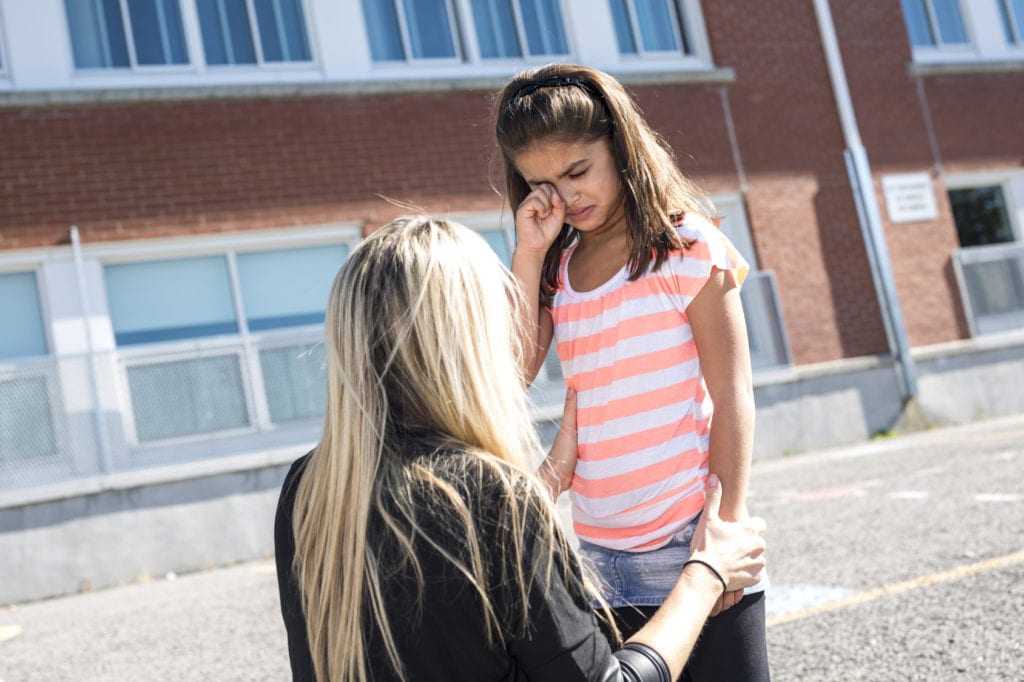
    Engage Parents & Youth

    [/vc_column_text][divider line_type=”Full Width Line” line_thickness=”2″ divider_color=”extra-color-gradient-1″ custom_height=”40″][vc_column_text]School staff can do a great deal to prevent bullying and protect students, but they can’t do it alone. Parents and youth also have a role to play in preventing bullying at school. One mechanism for engaging parents and youth, a school safety committee, can bring the community together to keep bullying prevention at school active and focused.[/vc_column_text][divider line_type=”No Line” custom_height=”40″][vc_column_text]

    Benefits of Parent and Youth Engagement

    Research shows that school administrators, such as principals, can play a powerful role in bullying prevention. They can inspire others and maintain a climate of respect and inclusion. But a principal cannot do it alone. When parents and youth are involved in the solutions:

    • Students feel safer and can focus on learning.
    • Parents worry less.
    • Teachers and staff can focus on their work.
    • Schools can develop more responsive solutions because students are more likely to see or hear about bullying than adults.
    • School climate improves because students are engaged in taking action to stop bullying.
    • Parents can support schools’ messages about bullying at home. They are also more likely to recognize signs that a child has been bullied or is bullying others.

    [/vc_column_text][divider line_type=”No Line” custom_height=”40″][vc_column_text]

    How Parents and Youth Can Contribute

    Schools can set the stage for meaningful parent and youth involvement, but it doesn’t happen overnight. Parents and youth need to feel valued and be given opportunities to contribute their expertise. To sustain parent and youth involvement, schools need to provide meaningful roles for them. For example:

    • Students can contribute their views and experiences with bullying. They can take leadership roles in school to promote respect and inclusion, communicate about bullying prevention with their peers, and help develop rules and policies.
    • Parents can contribute to a positive school climate through the parent teacher association, volunteering, and school improvement events.
    • School staff can keep parents informed, make them feel welcome, and treat them as partners. Schools can consider identifying a school coordinator to support parent and youth engagement strategies. Schools can set meeting times that are convenient for parents and youth and may consider additional incentives such as providing dinner or child care.

    [/vc_column_text][divider line_type=”No Line” custom_height=”40″][vc_column_text]

    School Safety Committees

    A school safety committee—a small group of people focused on school safety concerns—is one strategy to engage parents and youth, as well as others, in bullying prevention. The following people can make positive contributions to a school safety committee:

    • Administrators can answer questions about budget, training, curriculum, and federal and state laws such as Family Educational Rights and Privacy Act (FERPA).
    • Inventive, respected teachers with strong classroom and “people” skills can give insights.
    • Other school staff, such as school psychologists, counselors, school nurses, librarians, and bus drivers, bring diverse perspectives on bullying.
    • Parents can share the family viewpoint and keep other parents in the loop on committee work.
    • Students can bring fresh views and help identify real-life challenges to prevention.
    • Other community stakeholders, such as police officers, clergy members, elected officials, and health care providers can provide a broader perspective.

    The primary activities of the school safety committee could be to:

    • Plan bullying prevention and intervention programs. Set measurable and achievable goals.
    • Implement a bullying prevention effort. Meet often enough to keep momentum and address barriers.
    • Develop, communicate, and enforce bullying prevention policies and rules.
    • Educate the school community about bullying to ensure everyone understands the problem and their role in stopping it.
    • Conduct school-wide bullying assessments and review other data, such as incident reports.
    • Evaluate bullying prevention efforts and refine the plan if necessary.
    • Advocate for the school’s work in bullying prevention to the entire school community.
    • Sustain the effort over time.

    This committee is not a forum for discussing individual student behaviors. Doing so is a violation of student privacy under FERPA. There are also FERPA considerations for assessments, particularly if personally identifiable information is collected.[/vc_column_text][/vc_column][/vc_row][vc_row type=”in_container” full_screen_row_position=”middle” scene_position=”center” text_color=”dark” text_align=”left” top_padding=”2%” overlay_strength=”0.3″ shape_divider_position=”bottom” shape_type=””][vc_column column_padding=”no-extra-padding” column_padding_position=”all” background_color_opacity=”1″ background_hover_color_opacity=”1″ column_shadow=”none” column_border_radius=”none” width=”1/1″ tablet_text_alignment=”default” phone_text_alignment=”default” column_border_width=”none” column_border_style=”solid”][vc_column_text]Source: StopBullying.gov[/vc_column_text][divider line_type=”No Line” custom_height=”35″][vc_column_text]Engage Parents & Youth | Bullying Blogs | Bullying Resources | No Bullies Allowed Initiative | Anti Bullying | Bullying Prevention Association of America[/vc_column_text][/vc_column][/vc_row][vc_row type=”in_container” full_screen_row_position=”middle” scene_position=”center” text_color=”dark” text_align=”left” overlay_strength=”0.3″ shape_divider_position=”bottom” bg_image_animation=”none”][vc_column column_padding=”no-extra-padding” column_padding_position=”all” background_color_opacity=”1″ background_hover_color_opacity=”1″ column_link_target=”_self” column_shadow=”none” column_border_radius=”none” width=”1/1″ tablet_width_inherit=”default” tablet_text_alignment=”default” phone_text_alignment=”default” column_border_width=”none” column_border_style=”solid” bg_image_animation=”none”][vc_raw_js]JTNDc2NyaXB0JTIwZGF0YS1vaW8tem9uZSUzRCUyMnR5cGUlM0RiYW5uZXIlMjZ6b25lJTNEMSUyNmFsaWduJTNEY2VudGVyJTI2cmVmcmVzaCUzRDAlMjIlM0UlMEElMjhmdW5jdGlvbiUyOHclMkNkJTJDZSUyQ28lMkN1JTJDcyUyQ3QlMjklN0J3JTVCbyU1RCU3QyU3QyUyOHclNUJvJTVEJTNEJTdCJTdEJTJDcyUzRGQuY3JlYXRlRWxlbWVudCUyOGUlMjklMkNzLnNyYyUzRHUlMkNzLmFzeW5jJTNEMSUyQyUwQXQlM0RkLmdldEVsZW1lbnRzQnlUYWdOYW1lJTI4ZSUyOSU1QjAlNUQlMkN0LnBhcmVudE5vZGUuaW5zZXJ0QmVmb3JlJTI4cyUyQ3QlMjklMjklN0QlMjklMjh3aW5kb3clMkNkb2N1bWVudCUyQyUwQSUyMnNjcmlwdCUyMiUyQyUyMm9pb3B1YiUyMiUyQyUyMmh0dHBzJTNBJTJGJTJGbm9idWxsaWVzYWxsb3dlZC5vcmclMkZ3cC1jb250ZW50JTJGcGx1Z2lucyUyRm9pb3B1Yi1kaXJlY3QlMkZ6b25lcy5qcyUyMiUyOSUzQiUwQSUzQyUyRnNjcmlwdCUzRQ==[/vc_raw_js][/vc_column][/vc_row]
  • Assess Bullying

    Assess Bullying

    [vc_row type=”in_container” full_screen_row_position=”middle” scene_position=”center” text_color=”dark” text_align=”left” top_padding=”2%” overlay_strength=”0.3″ shape_divider_position=”bottom” shape_type=””][vc_column column_padding=”no-extra-padding” column_padding_position=”all” background_color_opacity=”1″ background_hover_color_opacity=”1″ column_shadow=”none” column_border_radius=”none” width=”2/3″ tablet_text_alignment=”default” phone_text_alignment=”default” column_border_width=”none” column_border_style=”solid”][image_with_animation image_url=”374″ alignment=”” animation=”None” border_radius=”10px” box_shadow=”small_depth” max_width=”100%”][/vc_column][vc_column column_padding=”no-extra-padding” column_padding_position=”all” background_color_opacity=”1″ background_hover_color_opacity=”1″ column_shadow=”none” column_border_radius=”none” width=”1/3″ tablet_text_alignment=”default” phone_text_alignment=”default” column_border_width=”none” column_border_style=”solid”][/vc_column][/vc_row][vc_row type=”in_container” full_screen_row_position=”middle” scene_position=”center” text_color=”dark” text_align=”left” top_padding=”2%” overlay_strength=”0.3″ shape_divider_position=”bottom” shape_type=””][vc_column column_padding=”no-extra-padding” column_padding_position=”all” background_color_opacity=”1″ background_hover_color_opacity=”1″ column_shadow=”none” column_border_radius=”none” width=”1/1″ tablet_text_alignment=”default” phone_text_alignment=”default” column_border_width=”none” column_border_style=”solid”][vc_column_text]Source: StopBullying.gov[/vc_column_text][/vc_column][/vc_row][vc_row type=”in_container” full_screen_row_position=”middle” scene_position=”center” text_color=”dark” text_align=”left” overlay_strength=”0.3″ shape_divider_position=”bottom”][vc_column column_padding=”no-extra-padding” column_padding_position=”all” background_color_opacity=”1″ background_hover_color_opacity=”1″ column_shadow=”none” column_border_radius=”none” width=”1/1″ tablet_text_alignment=”default” phone_text_alignment=”default” column_border_width=”none” column_border_style=”solid”][vc_column_text]

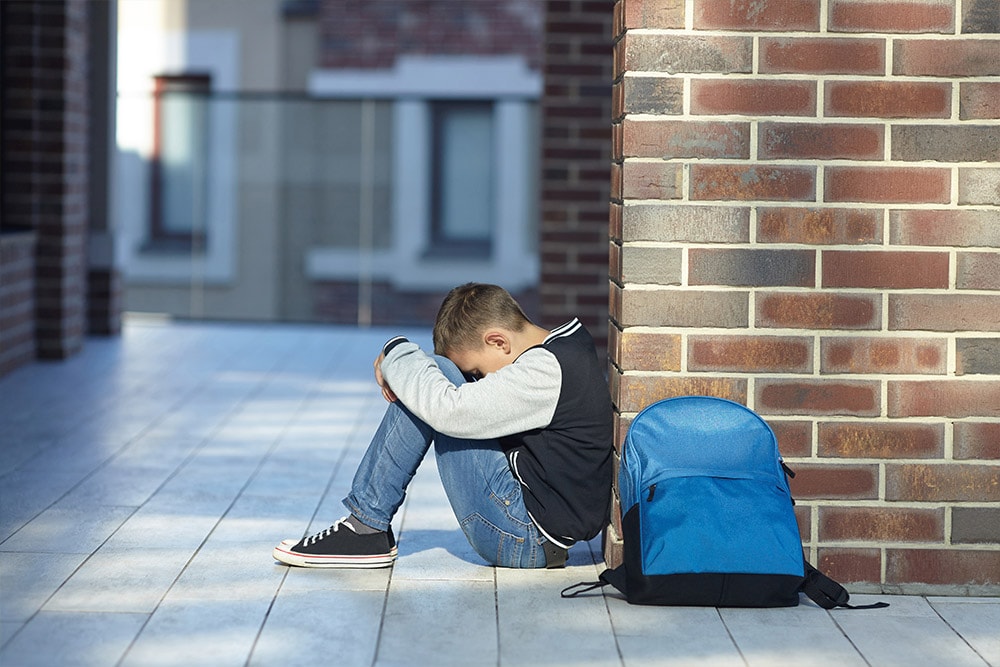
    Assess Bullying

    [/vc_column_text][divider line_type=”Full Width Line” line_thickness=”2″ divider_color=”extra-color-gradient-1″ custom_height=”40″][vc_column_text]Assessments—such as surveys—can help schools determine the frequency and locations of bullying behavior. They can also gauge the effectiveness of current prevention and intervention efforts. Knowing what’s going on can help school staff select appropriate prevention and response strategies.

    Assessments involve asking school or community members—including students—about their experiences and thoughts related to bullying. An assessment is planned, purposeful, and uses research tools.[/vc_column_text][divider line_type=”No Line” custom_height=”40″][vc_column_text]

    What an Assessment Can Do

    Assess to:

    • Know what’s going on. Adults underestimate the rates of bullying because kids rarely report it and it often happens when adults aren’t around. Assessing bullying through anonymous surveys can provide a clear picture of what is going on.
    • Target efforts. Understanding trends and types of bullying in your school can help you plan bullying prevention and intervention efforts.
    • Measure results. The only way to know if your prevention and intervention efforts are working is to measure them over time.

    An assessment can explore specific bullying topics, such as:

    • Frequency and types
    • Adult and peer response
    • Locations, including “hot spots”
    • Staff perceptions and attitudes about bullying
    • Aspects of the school or community that may support or help stop it
    • Student perception of safety
    • School climate

    [/vc_column_text][divider line_type=”No Line” custom_height=”40″][vc_column_text]

    Develop and Implement an Assessment

    Schools may choose to use school-wide surveys to assess bullying. There are several steps involved:

    • Choose a survey. There are many free, reliable, and validated assessment tools available. Choose a set of measures that covers the questions you want answered, is age appropriate, and can be answered in a reasonable amount of time.
    • Obtain parental consent as your district requires. Some allow passive consent, others require active consent. According to federal guidelines, at a minimum, each year the Local Education Agency (LEA), must notify parents about the survey and when it will be conducted. Parents have the right to opt their child out of the survey. Parents also have the right to inspect and review the surveys before they are given.
    • Administer the survey. School staff are best equipped to judge how to carry out a survey at school, but these tips can help:
      • Administer surveys early in the school year. Schedules surveys after students are settled in a routine but there is still time to use the findings in the school year’s prevention efforts.
      • Assess at least once every school year. Some schools like to survey students at the start and end of the school year to track progress and plan activities for the following year.
      • Decide which students will be surveyed to ensure statistically significant results. Schools may choose school-wide surveys or surveys of specific grades.
      • Plan to administer the survey when all students can take it at once. This will reduce the chance that they will discuss it and affect each other’s answers.
    • Protect student privacy. Many surveys are subject to the Protection of Pupil Rights Amendment (PPRA) and the Family Educational Rights and Privacy Act (FERPA). Assure students that their responses will be kept confidential and that their answers can’t be tracked back to them.
    • Analyze and distribute findings.
      • Make sure you continue to protect students’ privacy by ensuring that no personally identifiable information is accessible.
      • Consider how the survey results will be shared with teachers, parents, and students.
    • Make sure that you are prepared to respond to the results of the survey. Have a clear plan for prevention and intervention in place or in development.

    [/vc_column_text][divider line_type=”No Line” custom_height=”40″][vc_column_text]

    Staff Training on Bullying Prevention

    To ensure that bullying prevention efforts are successful, all school staff need to be trained on what bullying is, what the school’s policies and rules are, and how to enforce the rules. Training may take many forms: staff meetings, one-day training sessions, and teaching through modeling preferred behavior. Schools may choose any combination of these training options based on available funding, staff resources, and time.[/vc_column_text][/vc_column][/vc_row][vc_row type=”in_container” full_screen_row_position=”middle” scene_position=”center” text_color=”dark” text_align=”left” top_padding=”2%” overlay_strength=”0.3″ shape_divider_position=”bottom” shape_type=””][vc_column column_padding=”no-extra-padding” column_padding_position=”all” background_color_opacity=”1″ background_hover_color_opacity=”1″ column_shadow=”none” column_border_radius=”none” width=”1/1″ tablet_text_alignment=”default” phone_text_alignment=”default” column_border_width=”none” column_border_style=”solid”][vc_column_text]Source: StopBullying.gov[/vc_column_text][divider line_type=”No Line” custom_height=”35″][vc_column_text]Assess Bullying | Bullying Blogs | Bullying Resources | No Bullies Allowed Initiative | Anti Bullying | Bullying Prevention Association of America[/vc_column_text][/vc_column][/vc_row][vc_row type=”in_container” full_screen_row_position=”middle” scene_position=”center” text_color=”dark” text_align=”left” overlay_strength=”0.3″ shape_divider_position=”bottom” bg_image_animation=”none”][vc_column column_padding=”no-extra-padding” column_padding_position=”all” background_color_opacity=”1″ background_hover_color_opacity=”1″ column_link_target=”_self” column_shadow=”none” column_border_radius=”none” width=”1/1″ tablet_width_inherit=”default” tablet_text_alignment=”default” phone_text_alignment=”default” column_border_width=”none” column_border_style=”solid” bg_image_animation=”none”][vc_raw_js]JTNDc2NyaXB0JTIwZGF0YS1vaW8tem9uZSUzRCUyMnR5cGUlM0RiYW5uZXIlMjZ6b25lJTNEMSUyNmFsaWduJTNEY2VudGVyJTI2cmVmcmVzaCUzRDAlMjIlM0UlMEElMjhmdW5jdGlvbiUyOHclMkNkJTJDZSUyQ28lMkN1JTJDcyUyQ3QlMjklN0J3JTVCbyU1RCU3QyU3QyUyOHclNUJvJTVEJTNEJTdCJTdEJTJDcyUzRGQuY3JlYXRlRWxlbWVudCUyOGUlMjklMkNzLnNyYyUzRHUlMkNzLmFzeW5jJTNEMSUyQyUwQXQlM0RkLmdldEVsZW1lbnRzQnlUYWdOYW1lJTI4ZSUyOSU1QjAlNUQlMkN0LnBhcmVudE5vZGUuaW5zZXJ0QmVmb3JlJTI4cyUyQ3QlMjklMjklN0QlMjklMjh3aW5kb3clMkNkb2N1bWVudCUyQyUwQSUyMnNjcmlwdCUyMiUyQyUyMm9pb3B1YiUyMiUyQyUyMmh0dHBzJTNBJTJGJTJGbm9idWxsaWVzYWxsb3dlZC5vcmclMkZ3cC1jb250ZW50JTJGcGx1Z2lucyUyRm9pb3B1Yi1kaXJlY3QlMkZ6b25lcy5qcyUyMiUyOSUzQiUwQSUzQyUyRnNjcmlwdCUzRQ==[/vc_raw_js][/vc_column][/vc_row]

  • Prevention at School

    Prevention at School

    [vc_row type=”in_container” full_screen_row_position=”middle” scene_position=”center” text_color=”dark” text_align=”left” top_padding=”2%” overlay_strength=”0.3″ shape_divider_position=”bottom” shape_type=””][vc_column column_padding=”no-extra-padding” column_padding_position=”all” background_color_opacity=”1″ background_hover_color_opacity=”1″ column_shadow=”none” column_border_radius=”none” width=”2/3″ tablet_text_alignment=”default” phone_text_alignment=”default” column_border_width=”none” column_border_style=”solid”][image_with_animation image_url=”376″ alignment=”” animation=”None” border_radius=”10px” box_shadow=”small_depth” max_width=”100%”][/vc_column][vc_column column_padding=”no-extra-padding” column_padding_position=”all” background_color_opacity=”1″ background_hover_color_opacity=”1″ column_shadow=”none” column_border_radius=”none” width=”1/3″ tablet_text_alignment=”default” phone_text_alignment=”default” column_border_width=”none” column_border_style=”solid”][/vc_column][/vc_row][vc_row type=”in_container” full_screen_row_position=”middle” scene_position=”center” text_color=”dark” text_align=”left” top_padding=”2%” overlay_strength=”0.3″ shape_divider_position=”bottom” shape_type=””][vc_column column_padding=”no-extra-padding” column_padding_position=”all” background_color_opacity=”1″ background_hover_color_opacity=”1″ column_shadow=”none” column_border_radius=”none” width=”1/1″ tablet_text_alignment=”default” phone_text_alignment=”default” column_border_width=”none” column_border_style=”solid”][vc_column_text]Source: StopBullying.gov[/vc_column_text][/vc_column][/vc_row][vc_row type=”in_container” full_screen_row_position=”middle” scene_position=”center” text_color=”dark” text_align=”left” overlay_strength=”0.3″ shape_divider_position=”bottom”][vc_column column_padding=”no-extra-padding” column_padding_position=”all” background_color_opacity=”1″ background_hover_color_opacity=”1″ column_shadow=”none” column_border_radius=”none” width=”1/1″ tablet_text_alignment=”default” phone_text_alignment=”default” column_border_width=”none” column_border_style=”solid”][vc_column_text]

    Prevention at School

    [/vc_column_text][divider line_type=”Full Width Line” line_thickness=”2″ divider_color=”extra-color-gradient-1″ custom_height=”40″][vc_column_text]Bullying can threaten students’ physical and emotional safety at school and can negatively impact their ability to learn. The best way to address bullying is to stop it before it starts. There are a number of things school staff can do to make schools safer and prevent bullying.

    Training school staff and students to prevent and address bullying can help sustain bullying prevention efforts over time. There are no federal mandates for bullying curricula or staff training. The following are some examples of options schools can consider.[/vc_column_text][divider line_type=”No Line” custom_height=”40″][vc_column_text]

    Activities to Teach Students About Bullying

    Schools don’t always need formal programs to help students learn about bullying prevention. Schools can incorporate the topic of bullying prevention in lessons and activities. Examples of activities to teach about bullying include:

    • Internet or library research, such as looking up types of bullying, how to prevent it, and how kids should respond
    • Presentations, such as a speech or role-play on stopping bullying
    • Discussions about topics like reporting bullying
    • Creative writing, such as a poem speaking out against bullying or a story or skit teaching bystanders how to help
    • Artistic works, such as a collage about respect or the effects of bullying
    • Classroom meetings to talk about peer relations

    [/vc_column_text][divider line_type=”No Line” custom_height=”40″][vc_column_text]

    Evidence-Based Programs and Curricula

    Schools may choose to implement formal evidence-based programs or curricula. Many evaluated programs that address bullying are designed for use in elementary and middle schools. Fewer programs exist for high schools and non-school settings. There are many considerations in selecting a program, including the school’s demographics, capacity, and resources. Also, be sure to avoid Misdirections in Bullying Prevention and Response – PDF.[/vc_column_text][divider line_type=”No Line” custom_height=”40″][vc_column_text]

    Staff Training on Bullying Prevention

    To ensure that bullying prevention efforts are successful, all school staff need to be trained on what bullying is, what the school’s policies and rules are, and how to enforce the rules. Training may take many forms: staff meetings, one-day training sessions, and teaching through modeling preferred behavior. Schools may choose any combination of these training options based on available funding, staff resources, and time.[/vc_column_text][/vc_column][/vc_row][vc_row type=”in_container” full_screen_row_position=”middle” scene_position=”center” text_color=”dark” text_align=”left” top_padding=”2%” overlay_strength=”0.3″ shape_divider_position=”bottom” shape_type=””][vc_column column_padding=”no-extra-padding” column_padding_position=”all” background_color_opacity=”1″ background_hover_color_opacity=”1″ column_shadow=”none” column_border_radius=”none” width=”1/1″ tablet_text_alignment=”default” phone_text_alignment=”default” column_border_width=”none” column_border_style=”solid”][vc_column_text]Source: StopBullying.gov[/vc_column_text][divider line_type=”No Line” custom_height=”35″][vc_column_text]Prevention at School | Bullying Blogs | Bullying Resources | No Bullies Allowed Initiative | Anti Bullying | Bullying Prevention Association of America[/vc_column_text][/vc_column][/vc_row][vc_row type=”in_container” full_screen_row_position=”middle” scene_position=”center” text_color=”dark” text_align=”left” overlay_strength=”0.3″ shape_divider_position=”bottom” bg_image_animation=”none”][vc_column column_padding=”no-extra-padding” column_padding_position=”all” background_color_opacity=”1″ background_hover_color_opacity=”1″ column_link_target=”_self” column_shadow=”none” column_border_radius=”none” width=”1/1″ tablet_width_inherit=”default” tablet_text_alignment=”default” phone_text_alignment=”default” column_border_width=”none” column_border_style=”solid” bg_image_animation=”none”][vc_raw_js]JTNDc2NyaXB0JTIwZGF0YS1vaW8tem9uZSUzRCUyMnR5cGUlM0RiYW5uZXIlMjZ6b25lJTNEMSUyNmFsaWduJTNEY2VudGVyJTI2cmVmcmVzaCUzRDAlMjIlM0UlMEElMjhmdW5jdGlvbiUyOHclMkNkJTJDZSUyQ28lMkN1JTJDcyUyQ3QlMjklN0J3JTVCbyU1RCU3QyU3QyUyOHclNUJvJTVEJTNEJTdCJTdEJTJDcyUzRGQuY3JlYXRlRWxlbWVudCUyOGUlMjklMkNzLnNyYyUzRHUlMkNzLmFzeW5jJTNEMSUyQyUwQXQlM0RkLmdldEVsZW1lbnRzQnlUYWdOYW1lJTI4ZSUyOSU1QjAlNUQlMkN0LnBhcmVudE5vZGUuaW5zZXJ0QmVmb3JlJTI4cyUyQ3QlMjklMjklN0QlMjklMjh3aW5kb3clMkNkb2N1bWVudCUyQyUwQSUyMnNjcmlwdCUyMiUyQyUyMm9pb3B1YiUyMiUyQyUyMmh0dHBzJTNBJTJGJTJGbm9idWxsaWVzYWxsb3dlZC5vcmclMkZ3cC1jb250ZW50JTJGcGx1Z2lucyUyRm9pb3B1Yi1kaXJlY3QlMkZ6b25lcy5qcyUyMiUyOSUzQiUwQSUzQyUyRnNjcmlwdCUzRQ==[/vc_raw_js][/vc_column][/vc_row]

  • How to Prevent Bullying

    How to Prevent Bullying

    [vc_row type=”in_container” full_screen_row_position=”middle” scene_position=”center” text_color=”dark” text_align=”left” overlay_strength=”0.3″ shape_divider_position=”bottom” shape_type=””][vc_column column_padding=”no-extra-padding” column_padding_position=”all” background_color_opacity=”1″ background_hover_color_opacity=”1″ column_shadow=”none” column_border_radius=”none” width=”2/3″ tablet_text_alignment=”default” phone_text_alignment=”default” column_border_width=”none” column_border_style=”solid”][image_with_animation image_url=”380″ alignment=”” animation=”None” border_radius=”10px” box_shadow=”small_depth” max_width=”100%”][/vc_column][vc_column column_padding=”no-extra-padding” column_padding_position=”all” background_color_opacity=”1″ background_hover_color_opacity=”1″ column_shadow=”none” column_border_radius=”none” width=”1/3″ tablet_text_alignment=”default” phone_text_alignment=”default” column_border_width=”none” column_border_style=”solid”][/vc_column][/vc_row][vc_row type=”in_container” full_screen_row_position=”middle” scene_position=”center” text_color=”dark” text_align=”left” top_padding=”2%” overlay_strength=”0.3″ shape_divider_position=”bottom” shape_type=””][vc_column column_padding=”no-extra-padding” column_padding_position=”all” background_color_opacity=”1″ background_hover_color_opacity=”1″ column_shadow=”none” column_border_radius=”none” width=”1/1″ tablet_text_alignment=”default” phone_text_alignment=”default” column_border_width=”none” column_border_style=”solid”][vc_column_text]Source: StopBullying.gov[/vc_column_text][/vc_column][/vc_row][vc_row type=”in_container” full_screen_row_position=”middle” scene_position=”center” text_color=”dark” text_align=”left” overlay_strength=”0.3″ shape_divider_position=”bottom”][vc_column column_padding=”no-extra-padding” column_padding_position=”all” background_color_opacity=”1″ background_hover_color_opacity=”1″ column_shadow=”none” column_border_radius=”none” width=”1/1″ tablet_text_alignment=”default” phone_text_alignment=”default” column_border_width=”none” column_border_style=”solid”][vc_column_text]

    How to Prevent Bullying

    Parents, school staff, and other caring adults have a role to play in preventing bullying. They can:

    • Help kids understand bullying. Talk about what bullying is and how to stand up to it safely. Tell kids bullying is unacceptable. Make sure kids know how to get help.
    • Keep the lines of communication open. Check in with kids often. Listen to them. Know their friends, ask about school, and understand their concerns.
    • Encourage kids to do what they love. Special activities, interests, and hobbies can boost confidence, help kids make friends, and protect them from bullying behavior.
    • Model how to treat others with kindness and respect.

    Help Kids Understand Bullying

    Kids who know what bullying is can better identify it. They can talk about bullying if it happens to them or others. Kids need to know ways to safely stand up to bullying and how to get help.

    • Encourage kids to speak to a trusted adult if they are bullied or see others being bullied. The adult can give comfort, support, and advice, even if they can’t solve the problem directly. Encourage the child to report bullying if it happens.
    • Talk about how to stand up to kids who bully. Give tips, like using humor and saying “stop” directly and confidently. Talk about what to do if those actions don’t work, like walking away
    • Talk about strategies for staying safe, such as staying near adults or groups of other kids.
    • Urge them to help kids who are bullied by showing kindness or getting help.
    • Watch the short webisodes and discuss them – PDF with kids.

    Keep the Lines of Communication Open

    Research tells us that children really do look to parents and caregivers for advice and help on tough decisions. Sometimes spending 15 minutes a day talking can reassure kids that they can talk to their parents if they have a problem. Start conversations about daily life and feelings with questions like these:

    • What was one good thing that happened today? Any bad things?
    • What is lunch time like at your school? Who do you sit with? What do you talk about?
    • What is it like to ride the school bus?
    • What are you good at? What would do you like best about yourself?

    Talking about bullying directly is an important step in understanding how the issue might be affecting kids. There are no right or wrong answers to these questions, but it is important to encourage kids to answer them honestly. Assure kids that they are not alone in addressing any problems that arise.

    Start conversations about bullying with questions like these:

    • What does “bullying” mean to you?
    • Describe what kids who bully are like. Why do you think people bully?
    • Who are the adults you trust most when it comes to things like bullying?
    • Have you ever felt scared to go to school because you were afraid of bullying? What ways have you tried to change it?
    • What do you think parents can do to help stop bullying?
    • Have you or your friends left other kids out on purpose? Do you think that was bullying? Why or why not?
    • What do you usually do when you see bullying going on?
    • Do you ever see kids at your school being bullied by other kids? How does it make you feel?
    • Have you ever tried to help someone who is being bullied? What happened? What would you do if it happens again?

    Get more ideas for talking with children – PDF about life and about bullying. If concerns come up, be sure to respond.

    There are simple ways that parents and caregivers can keep up-to-date with kids’ lives.

    • Read class newsletters and school flyers. Talk about them at home.
    • Check the school website
    • Go to school events
    • Greet the bus driver
    • Meet teachers and counselors at “Back to School” night or reach out by email
    • Share phone numbers with other kids’ parents

    Teachers and school staff also have a role to play.

    Encourage Kids to Do What They Love

    Help kids take part in activities, interests, and hobbies they like. Kids can volunteer, play sports, sing in a chorus, or join a youth group or school club. These activities give kids a chance to have fun and meet others with the same interests. They can build confidence and friendships that help protect kids from bullying.

    Model How to Treat Others with Kindness and Respect

    Kids learn from adults’ actions. By treating others with kindness and respect, adults show the kids in their lives that there is no place for bullying. Even if it seems like they are not paying attention, kids are watching how adults manage stress and conflict, as well as how they treat their friends, colleagues, and families.[/vc_column_text][/vc_column][/vc_row][vc_row type=”in_container” full_screen_row_position=”middle” scene_position=”center” text_color=”dark” text_align=”left” top_padding=”2%” overlay_strength=”0.3″ shape_divider_position=”bottom” shape_type=””][vc_column column_padding=”no-extra-padding” column_padding_position=”all” background_color_opacity=”1″ background_hover_color_opacity=”1″ column_shadow=”none” column_border_radius=”none” width=”1/1″ tablet_text_alignment=”default” phone_text_alignment=”default” column_border_width=”none” column_border_style=”solid”][vc_column_text]Source: StopBullying.gov[/vc_column_text][divider line_type=”No Line” custom_height=”35″][vc_column_text]How to Prevent Bullying | Bullying Blogs | Bullying Resources | No Bullies Allowed Initiative | Anti Bullying | Bullying Prevention Association of America[/vc_column_text][/vc_column][/vc_row][vc_row type=”in_container” full_screen_row_position=”middle” scene_position=”center” text_color=”dark” text_align=”left” overlay_strength=”0.3″ shape_divider_position=”bottom” bg_image_animation=”none”][vc_column column_padding=”no-extra-padding” column_padding_position=”all” background_color_opacity=”1″ background_hover_color_opacity=”1″ column_link_target=”_self” column_shadow=”none” column_border_radius=”none” width=”1/1″ tablet_width_inherit=”default” tablet_text_alignment=”default” phone_text_alignment=”default” column_border_width=”none” column_border_style=”solid” bg_image_animation=”none”][vc_raw_js]JTNDc2NyaXB0JTIwZGF0YS1vaW8tem9uZSUzRCUyMnR5cGUlM0RiYW5uZXIlMjZ6b25lJTNEMSUyNmFsaWduJTNEY2VudGVyJTI2cmVmcmVzaCUzRDAlMjIlM0UlMEElMjhmdW5jdGlvbiUyOHclMkNkJTJDZSUyQ28lMkN1JTJDcyUyQ3QlMjklN0J3JTVCbyU1RCU3QyU3QyUyOHclNUJvJTVEJTNEJTdCJTdEJTJDcyUzRGQuY3JlYXRlRWxlbWVudCUyOGUlMjklMkNzLnNyYyUzRHUlMkNzLmFzeW5jJTNEMSUyQyUwQXQlM0RkLmdldEVsZW1lbnRzQnlUYWdOYW1lJTI4ZSUyOSU1QjAlNUQlMkN0LnBhcmVudE5vZGUuaW5zZXJ0QmVmb3JlJTI4cyUyQ3QlMjklMjklN0QlMjklMjh3aW5kb3clMkNkb2N1bWVudCUyQyUwQSUyMnNjcmlwdCUyMiUyQyUyMm9pb3B1YiUyMiUyQyUyMmh0dHBzJTNBJTJGJTJGbm9idWxsaWVzYWxsb3dlZC5vcmclMkZ3cC1jb250ZW50JTJGcGx1Z2lucyUyRm9pb3B1Yi1kaXJlY3QlMkZ6b25lcy5qcyUyMiUyOSUzQiUwQSUzQyUyRnNjcmlwdCUzRQ==[/vc_raw_js][/vc_column][/vc_row]